
SPC flooring is fast becoming a favorite for modern homeowners and renovators seeking a waterproof, durable, and low-maintenance solution, especially in high-traffic areas like kitchens and entryways.
Key Takeaways
- SPC flooring outperforms traditional LVP in long-term durability, scratch resistance, and dimensional stability, making it ideal for busy homes and commercial spaces.
- Proper subfloor preparation and understanding plank thickness are key to a trouble-free installation and lasting results.
- Common user issues are minimal, but DIYers should plan carefully to avoid the main pitfalls of rigid-core flooring installs.
- What Is SPC Flooring and Why Consider It?
- How to Choose and Install SPC Flooring: A Step-by-Step Guide
- Expert Analysis: Pitfalls, Performance, and Real-World Comparisons
- Conclusion
- Frequently Asked Questions
What Is SPC Flooring and Why Consider It?
SPC flooring, or stone-plastic composite flooring, is a next-generation rigid-core flooring designed to deliver exceptional durability and waterproof performance where traditional vinyl or laminate falls short. SPC’s ultra-dense limestone and PVC core provides remarkable resistance to impacts, scratches, and dents, while its 100% waterproof construction stands up to spills, wet mopping, and humidity—making it a best-in-category choice for kitchens, entryways, and bathrooms.
The true advantage of SPC flooring over standard luxury vinyl plank (LVP) lies in its rigidity and stability. Where classic LVP can expand or contract with temperature shifts—or show furniture dents—SPC’s heavy, mineral-filled base resists shape changes and everyday wear. In 2024, 57% of new SPC products featured wear layers of at least 0.6 mm, supporting a typical lifespan of 20-25 years with minimal maintenance (source, source).
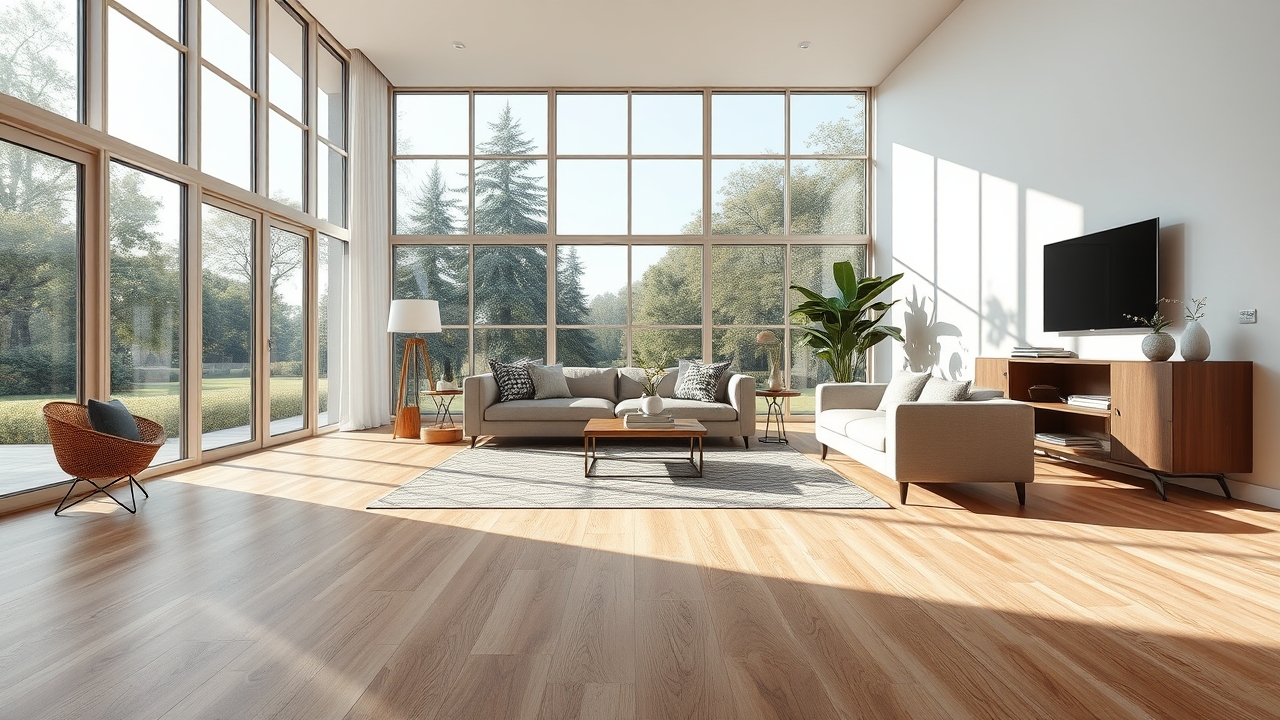
Market data from 2024 shows SPC and other rigid core floors now make up nearly 58% of resilient flooring sales, signaling a major industry shift (source). This is driven by demand for floors that last, look authentic, and don’t require special maintenance. For anyone updating a high-traffic space, LVP flooring may seem like a solid choice, but SPC’s technical upgrades often make it the smarter investment.
For those considering a home improvement guide for modern spaces, a move to SPC can provide both long-term function and contemporary design flexibility.
How to Choose and Install SPC Flooring: A Step-by-Step Guide
-
Evaluate Suitability for Your Space
Check if SPC flooring matches your home’s needs—especially kitchens, entryways, basements, and other moisture-prone or busy areas. -
Measure and Plan
Carefully measure to calculate square footage, add 10% for waste, and select board orientation for realistic wood or stone looks. -
Choose Your Product
Pick a reputable SPC floor with a wear layer at least 20 mils (0.5 mm); opt for those with attached underlayment for comfort and soundproofing. -
Prepare the Subfloor
Ensure the subfloor is clean, dry, level within manufacturer tolerance (usually < 3/16” over 10 feet), and structurally sound. Address dips or high spots, as SPC needs a stable base. -
Acclimate the Flooring
Let floorboards sit in the installation room for 24-48 hours to adjust to temperature and humidity. -
Lay the First Row
Use manufacturer-recommended spacers at walls. Engage the click-lock mechanism per instructions—thicker boards may require gentle tapping and extra effort. -
Continue the Installation
Stagger end joints and watch for tight, secure locking to prevent future gapping. -
Cut Around Obstacles
Use a fine-tooth saw; thicker SPC planks are tougher to cut than LVP or laminate. Test-fit pieces before locking them in. -
Install Final Rows & Transitions
Finish with thresholds or reducers where SPC meets other flooring, maintaining proper expansion gaps. -
Clean Up and Inspect
Remove spacers and check for plank movement. Floor is ready for furniture after 24 hours.
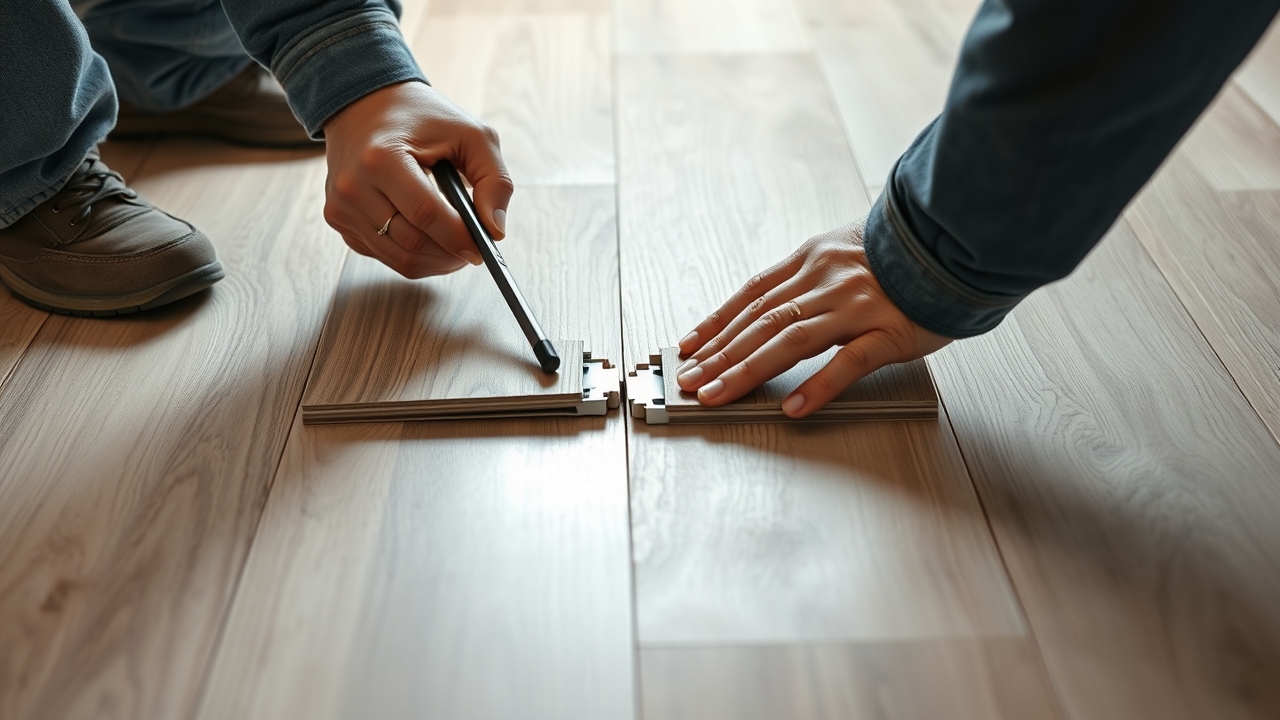
For those interested in improving overall property value, combining an SPC installation with smart home improvement ideas can yield a high ROI, especially if you tackle DIY-friendly installs.
Consider referencing DIY home renovation projects for confidence if you’re installing for the first time.
Expert Analysis: Pitfalls, Performance, and Real-World Comparisons
Common Pitfalls and Issues with SPC Flooring
- Subfloor Issues: Failure to properly level or clean the subfloor leads to hollow sounds, plank instability, or even locking system failures. Unlike flexible LVP, SPC’s rigid core telegraphs imperfections (source).
- Difficult Cuts on Thick Planks: Thicker, more durable SPC planks (over 5 mm) can be hard to score and snap. This can slow DIY installs or increase waste.
- Locking Mechanism Problems: Tight or misaligned click-locks—especially on thicker planks—can be tough to fix once snapped together. Opening seams risks breakage.
- Poor Moisture Control During Prep: While SPC itself is waterproof, subfloor moisture can cause mold under the floor if left unaddressed.
- Removal/Replacement Complexity: Swapping damaged boards in high-traffic zones is harder than with regular LVP, as rigid SPC is less forgiving to flexing or forceful extraction.
Durability and Wear Comparison Table
| Floor Type | Core Material | Average Wear Layer (2024) | Expected Lifespan | Waterproof | Indent/Scratch Resistance |
|---|---|---|---|---|---|
| SPC Flooring | Limestone/PVC Composite | 0.6mm+ (57% of products) | 20-25 years (residential) | Yes (100%) | Superior (dense core, ceramic/polyurethane coat) |
| Traditional LVP | Flexible PVC/plastic | 0.3-0.5mm typical | 10-15 years | Yes, but less dimensionally stable | Moderate |
| WPC (Wood-Plastic) | Wood/Plastic Composite | 0.5mm typical | 12-20 years | Yes | Good, but softer than SPC |
Real-world user forums and reviews in 2024 report virtually no SPC failures (like gapping or delamination) in high-traffic kitchens. SPC’s 100% waterproof status is widely praised (source). Look to brands like Republic Flooring for flagship dense-core options built for moisture-prone rooms.
While SPC is generally problem-free, installation errors—particularly on uneven subfloors or with excessive force when locking planks—are the top source of complaints.
For more inspiration on combining durable upgrades, explore energy-efficient home upgrades to further enhance value and comfort.
Cost Realities: What to Expect in 2024
The 2024 market lacks precise per-square-foot cost data, but industry reports show SPC flooring priced at a premium over basic LVP and WPC, justified by wear performance and longevity (source). Economic SPC brands are emerging (like DECNO’s Indian lines), but expect to pay more for thicker wear layers, enhanced textures, and integrated underlayments. DIY install can save on labor, though the effort required rises with plank thickness.
If you need tips on maximizing upgrades within a budget, see our budget-friendly renovation tips.
Conclusion
SPC flooring is a transformative option for anyone seeking waterproof, scratch-resistant, and low-maintenance surfaces in modern homes or commercial spaces. The dense core and thick wear layers outstrip regular LVP in busy kitchens and entryways, with minimal real-world issues reported in 2024. If you plan a DIY install, pay careful attention to subfloor prep and handling thick planks.
Ready to start your project? Explore more smart home improvement guides and consider how SPC flooring can anchor your next renovation for years of worry-free performance!
Frequently Asked Questions
What is the main advantage of SPC flooring over traditional LVP?
SPC flooring’s dense stone-plastic core gives it superior impact, indentation, and scratch resistance, as well as 100% waterproof performance. It also resists expansion and contraction better than flexible LVP.
Can I install SPC flooring myself, or should I hire a professional?
Most SPC floors are DIY-friendly, especially with click-lock designs. However, thicker planks can be tough to cut and lock. A successful install requires a very flat, clean subfloor. If you’re unsure, consult guides or local pros.
Is SPC flooring truly waterproof for kitchens and bathrooms?
Yes. SPC’s core and wear layer are both 100% waterproof, making it suitable for wet mopping, spills, and high-humidity rooms. Just be sure your subfloor is moisture-free during install to prevent hidden mold.
How long does SPC flooring really last in high-traffic areas?
With proper installation and care, reputable SPC floors last 20-25 years or more—much longer than typical LVP or laminate. Some premium lines offer up to 25–30 years residential warranty.
Do I need underlayment with SPC flooring?
Many SPC floors come with an attached underlayment for sound and comfort. If yours doesn’t, add an SPC-approved underlayment, especially over concrete, to reduce noise and moisture transfer.