
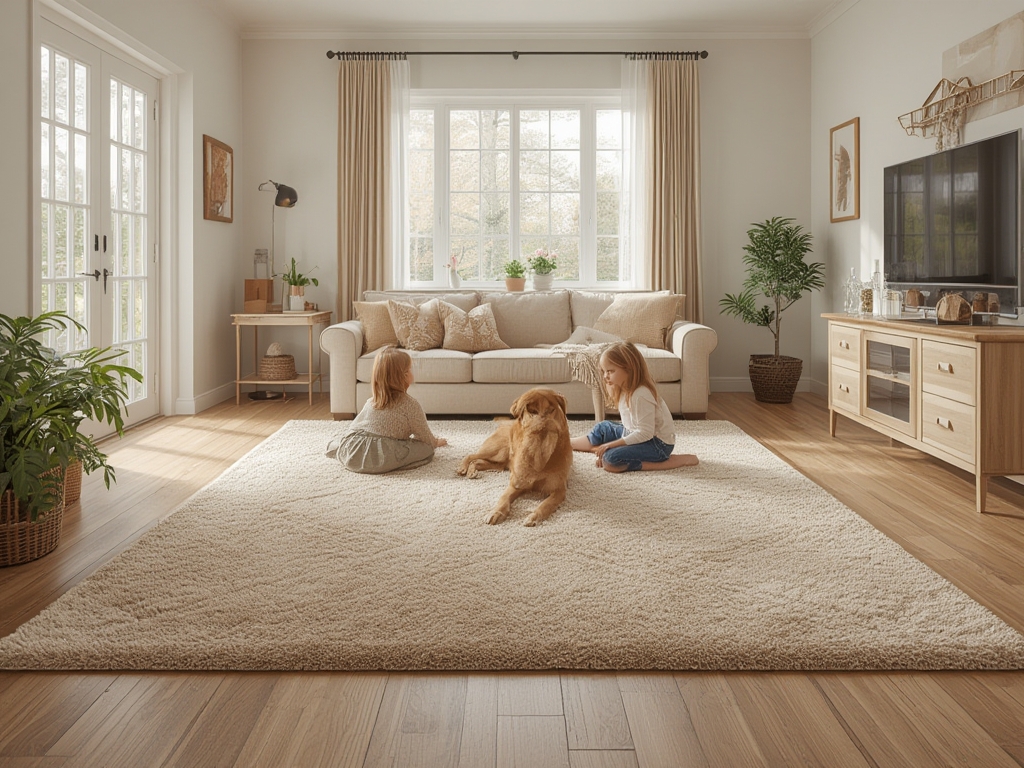
non-slip rug choice matters more than most shoppers think when safety and floor protection count.
Key Takeaways
- Choose backing and pad combos tested for your floor type to reduce slips and protect finishes.
- Measure, trim, and pair a pad with the rug for better longevity and fewer edge trips.
- Expect tradeoffs between grip, breathability, and residue risk so inspect and test before long term use.
Table of Contents
- The Core Concept What and Why
- Step by Step Guide to Choose and Install
- Advanced Analysis and Common Pitfalls
- Conclusion and Next Steps
- FAQs
The Core Concept What and Why
A non slip rug reduces unwanted movement between the rug and the floor while adding comfort and style. The goal is simple. Keep the rug flat and stable under daily use so people do not trip and so furniture sits evenly.
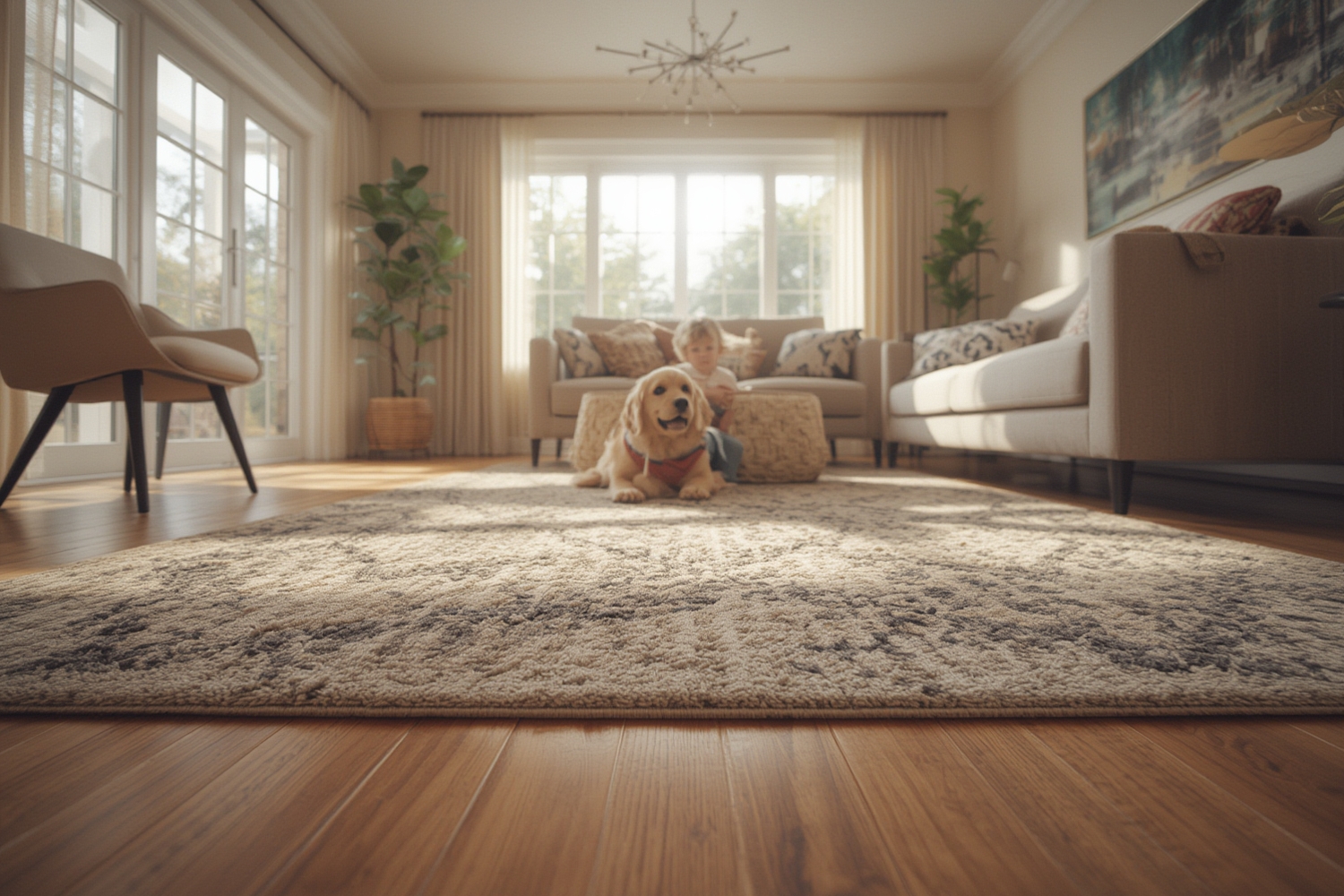
Why it matters now. Aging households and homes with children need surface traction to prevent falls. A loosely placed rug creates a trip hazard and can strain furniture legs. At the same time homeowners want solutions that do not stain or damage hardwood, tile, or laminate floors.
Context on market size and trends shows growth across carpets and rugs driven by home design and renovation. For industry totals see a market overview from GM Insights that reports the global carpets and rugs market value for 2024 and growth projections here. Broader area rug forecasts and bath mat trends provide useful background on demand patterns here and here.
Practical planning note. Most manufacturers do not publish standardized slip resistance values for household rugs so your best defense is correct pairing of rug and pad and periodic inspection.
Step by Step Guide to Choose and Install
This section gives a practical sequence you can follow today. Read it start to finish then gather tools and the right pad before you place the rug.
1. Measure the space. Allow 18 to 24 centimeters of bare floor between the wall and the rug edge in living rooms. For hall runners measure walkway length carefully so the rug does not end under heavy traffic where it can bunch.
2. Choose pad material by floor type.
- Hardwood. Select a breathable pad with grip technology rather than raw rubber that can trap moisture. A felt core with a light grip layer balances protection and airflow.
- Tile. A thicker cushioned pad with strong grip is fine because tile tolerates pad backing. Ensure pad is rated for tile use.
- Laminate and engineered surfaces. Use thin pads that avoid plasticizers. Some pads are labeled safe for finished floors. Always test first.
3. Match rug backing to pad. Loop pile rugs and flat weaves prefer a pad that prevents movement and reduces wear. Thin low pile rugs sometimes need double stick methods or rug tape in addition to a pad.
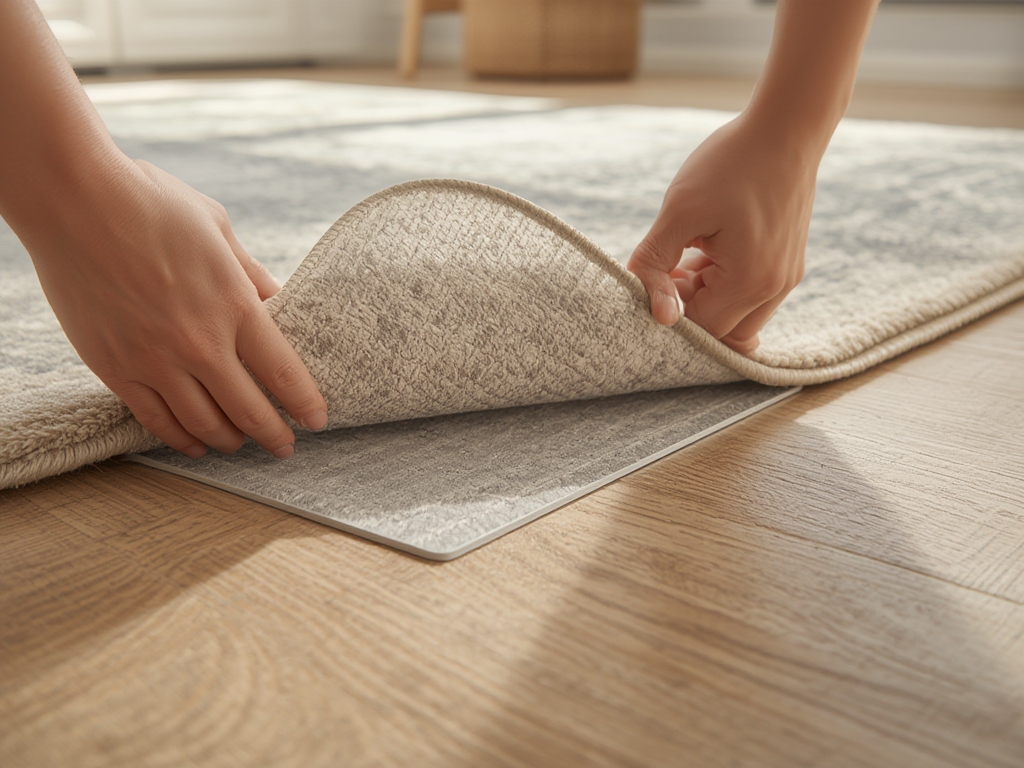
4. Trim the pad to be smaller than the rug by a few centimeters on all sides. This prevents the pad edge from peeking out which causes trips and looks untidy.
5. Install method. Clean the floor, lay the pad centered, place the rug, smooth from center out and walk the perimeter checking for lift. Reposition if edges curl. For heavy furniture place protective felt under legs to avoid indentations.
6. Maintenance. Vacuum both sides, rotate rugs every three months, lift and air the rug and pad twice per year. Replace pads when they lose grip or show staining.
When choosing products compare warranties and stated floor compatibility. If you are renovating and improving interiors for resale consider pairing rug choice with smart home upgrades to boost appeal. See ideas on improving value in Smart Home Improvement Ideas That Increase Property Value.
If your room lighting or automation affects safety consider coordinating with lighting upgrades. Good floor visibility reduces trip risk. Read more about lighting options in Smart Lighting Systems for Modern Homes.
For accessible living adjustments pair non slip rugs with simple smart features like voice controlled lights. Learn about assistants that help hands free tasks in Voice Controlled Home Assistants.
Heating and humidity change conditions under rugs. If you use a smart thermostat control indoor humidity and temperature to protect floor finishes. See tips in Smart Thermostats for Energy Efficiency.
Advanced Analysis and Common Pitfalls
Even with correct products there are realistic problems to expect. Below are the common pitfalls based on market context and typical homeowner reports.
- Residue or color transfer. Some rubber based pads or low quality backings can leach plasticizers causing sticky residue or discoloration on sensitive wood and finish surfaces.
- Loss of grip over time. Dust and oils reduce tack. Pads need cleaning or replacement when slippage increases.
- Edge curling and trips. Pads that are too large or thin can allow edges to wave under foot traffic.
- Floor staining from trapped moisture. Non breathable pads can trap spills and moisture leading to finish damage on hardwood.
- Incompatibility with heated floors. Thick rubber pads can insulate heat and damage underfloor systems or reduce heat transfer. Check pad labels for heated floor compatibility.
Because standardized public slip resistance numbers are rarely published for common consumer rugs you will find mixed claims. Industry level market reports provide context on growth but not product specific safety ratings. For general market growth references see Fortune Business Insights and a PR summary of market drivers PR Newswire.
| Material | Grip Level | Breathability | Best Floor Type | Risk Notes |
|---|---|---|---|---|
| Rubber backing | High | Low | Tile | May trap moisture on wood |
| Felt with grip layer | Medium | High | Hardwood laminate | Good balance but lower initial tack |
| Non slip latex | Medium high | Low | Tile engineered wood | Test for residue |
| Double sided tape | High localized | Depends | Small rugs | Removes finish risk if adhesive strong |
How to reduce risk. Always test a sample. Keep pads clean by vacuuming and airing. Replace pads every 2 to 4 years depending on wear and climate. If you cannot find slip resistance ratings for a product contact the vendor for test data or request a sample for a home test.
Conclusion and Next Steps
Choosing the right non slip rug and pad combination reduces accidents and preserves flooring. Measure carefully, pick materials that match your floor type, test for residue and grip, and maintain the system with rotation and cleaning. Where product claims are vague perform a short home trial before committing to long term install.
Take action now. Inspect your main living area rugs this week. Replace or add a pad for any rug that shifts under light pressure. If you are renovating read the Home Improvement Guide for Modern Living Spaces for additional upgrade ideas that work with flooring choices.
For further reading on market trends and size references see authoritative reports from GM Insights and Technavio which provide market level context for rugs and area rugs GM Insights and Technavio. These help explain why product options continue to expand.
Final reminder. Test before long term use and check for compatibility with your floor finish and any underfloor systems. A measured approach prevents common problems and keeps your home safe.
FAQs
Will a rubber backed rug damage hardwood floors?
Not usually but some rubber backings and low quality pads can trap moisture or leach plasticizers that react with certain finishes. Test a small area and use pads labeled safe for finished wood when in doubt.
How do I stop a rug from curling at the edges?
Trim the pad so it sits smaller than the rug. Use a heavier pad under high traffic areas and add low profile furniture weights or rug tape at corners if needed.
Can I use a non slip rug with radiant heated floors?
Some pads reduce heat transfer or insulate the floor. Look for products labeled compatible with heated floors or use thin felt pads designed for heat transfer. Check manufacturer guidance for both the floor and the pad.
How often should I replace a rug pad?
Replace when grip declines or when it shows staining or compression. Typical life is two to four years in heavy traffic. Inspect pads twice per year.
Are eco friendly non slip pads available?
Yes. There are options made from natural latex recycled fibers and wool blends that aim to reduce chemical content. These tend to cost more but can reduce residue risk. Verify labels and test before long use.