
Non-slip bath mat can be the difference between a simple shower and a dangerous fall, especially for seniors and families looking to improve bathroom safety at home.
Key Takeaways
- Falls in the bathroom are a leading cause of injury for seniors; a non-slip bath mat can help reduce this risk by providing better traction on slippery surfaces.
- Choosing the right non-slip bath mat involves understanding installation challenges, material limitations, and real bathroom use—not just product hype.
- Regular inspection, proper cleaning, and matching the mat to your tub’s surface are crucial for maximizing both safety and hygiene.
- Understanding Non-Slip Bath Mats and Why They Matter
- Step-by-Step: How to Use a Non-Slip Bath Mat Effectively
- Advanced Analysis: Common Pitfalls and Real-World Issues
- Conclusion
- FAQ: Non-Slip Bath Mats
Understanding Non-Slip Bath Mats and Why They Matter
Bathroom slips are one of the top causes of home injuries among all age groups, but the risks for seniors are especially alarming. According to CDC and safety coalition data, about 235,000 people are injured in bathroom falls every year. Seniors account for the highest share, with at least 80% of senior falls happening on slippery bathroom or tub surfaces. These falls can lead to life-changing injuries, thousands of hospital visits, or even fatalities in the oldest age brackets (CPSC 2024 Report).
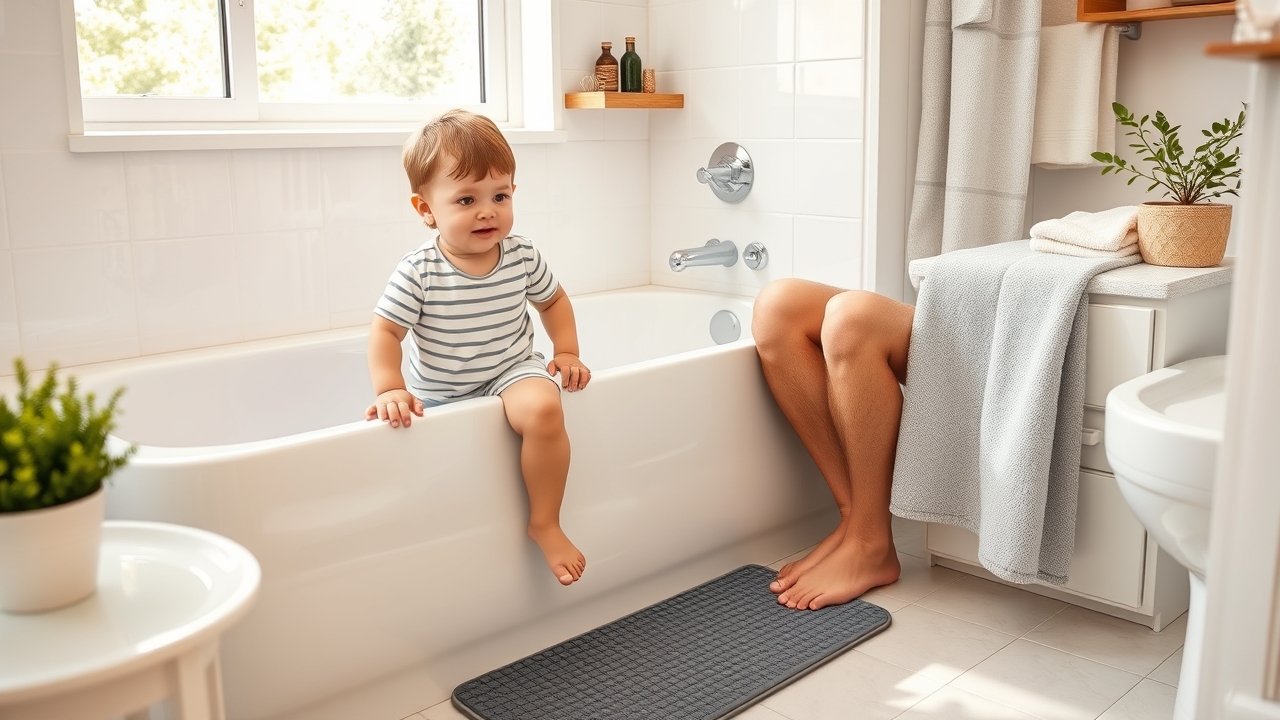
A non-slip bath mat minimizes the risk by creating traction underfoot—something a bare tub or shower floor lacks when wet. Using a mat is a straightforward home upgrade that can help seniors, kids, and anyone with limited mobility confidently use the bath. It’s an affordable, non-invasive way to add a crucial layer of accident prevention, especially when paired with other home improvement ideas that promote safety and independence.
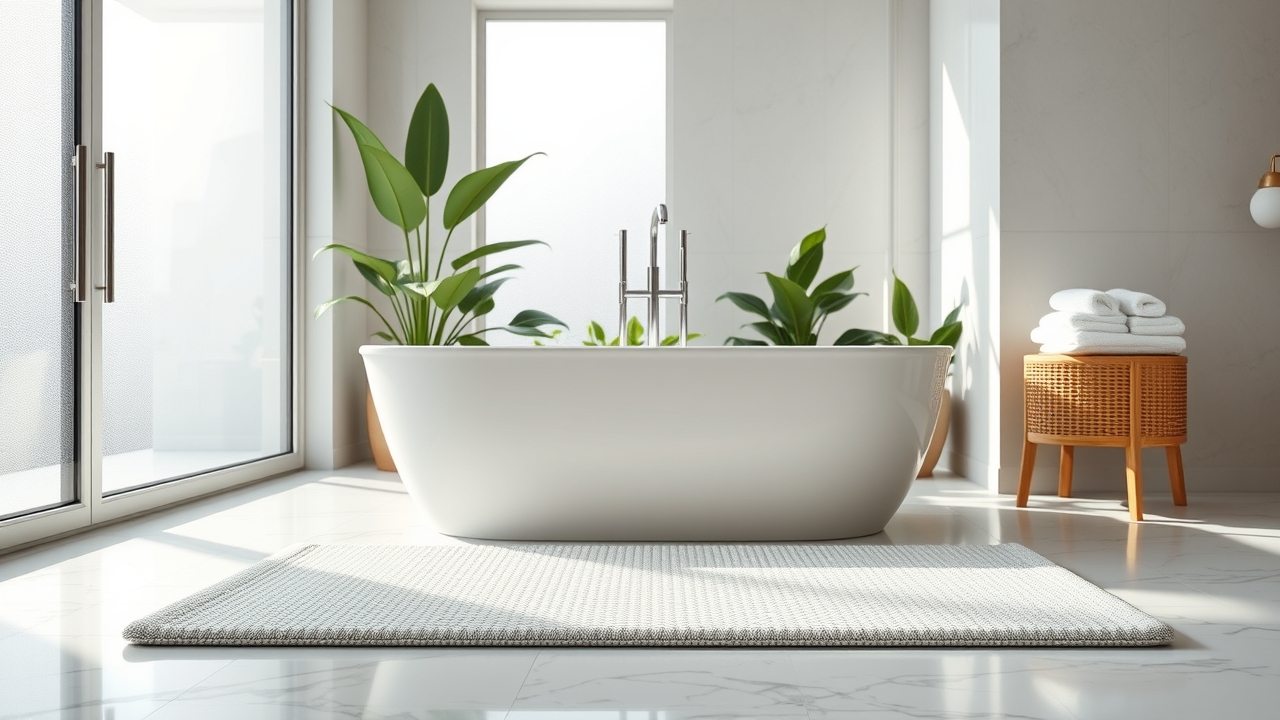
Bathrooms and showers present unique hazards that can’t always be resolved with rugs, adhesive strips, or textured finishes. A true non-slip mat will have a grippy surface, secure placement mechanisms like suction cups, and materials designed to dry quickly and resist mold—features also highlighted in our full bathroom safety guide.
Step-by-Step: How to Use a Non-Slip Bath Mat Effectively
Getting real value from a non-slip bath mat depends not just on buying one, but on installing and maintaining it for your specific space and needs. Here’s how to make it work, even for senior users or if you have textured tubs.
- Choose the right size and type for your tub or shower. Measure your space. If your tub is extra long, ensure your mat covers the area you use most often while standing.
- Match the backing to your surface. Not all mats grip equally—textured tubs may not work with suction cups, so opt for mats labeled “for textured tubs” or consider textured surface mats.
- Clean the tub and mat before installation. Dirt or residue can cut both grip and hygiene. Let surfaces dry before sticking the mat down.
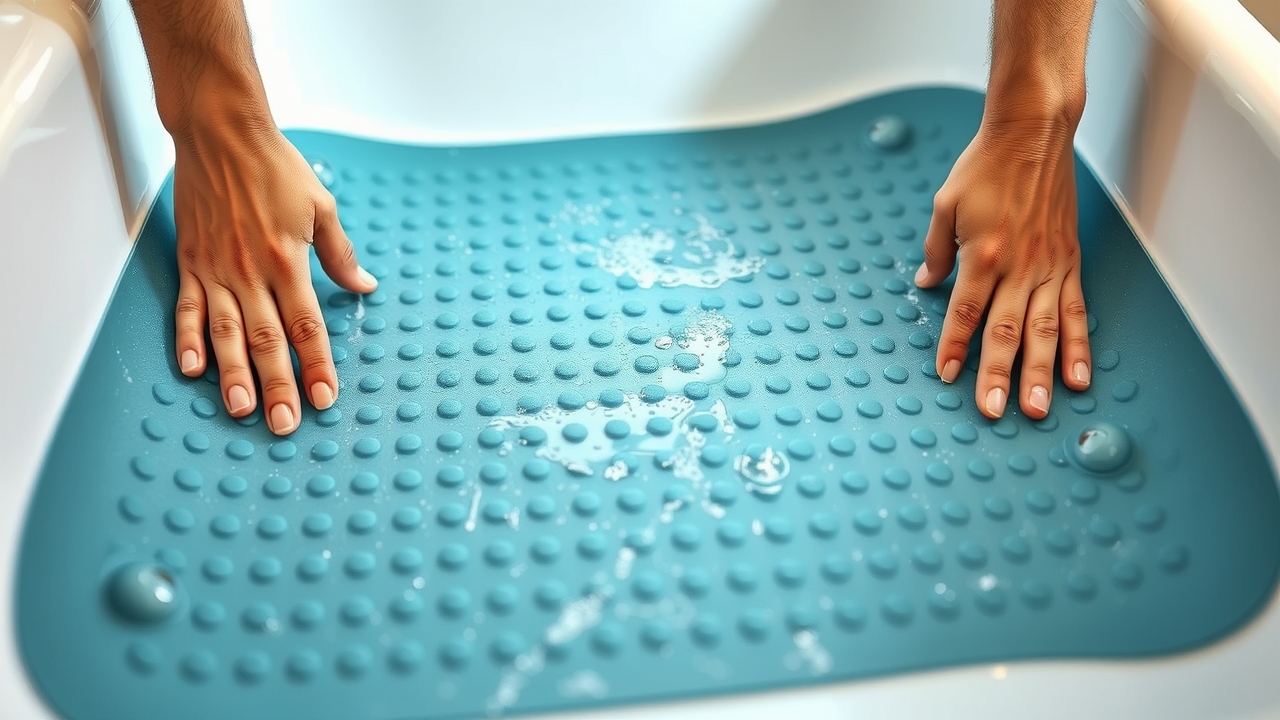
- Install the mat carefully. Press down on all sections to engage suction cups fully, smoothing out any air pockets. Test by trying to gently lift or slide the mat to ensure it’s secure.
- Check and re-secure the mat regularly. Mats may lose grip over time—especially after each use or cleaning. Reposition as needed.
- Wash and dry the mat frequently. Moisture and soap scum build up fast. Quick-dry mats are best, but all mats require regular cleaning for safety and hygiene.
If you’re planning a full bathroom update, these same practices help with budget-friendly renovation tips. And for those setting up safer modern living arrangements for seniors, consult our home improvement guide for modern living spaces for wider accessibility upgrades.
Advanced Analysis: Common Pitfalls and Real-World Issues
Non-slip bath mats sound simple, but daily use uncovers several potential issues:
| Issue | What Happens | How to Avoid |
|---|---|---|
| Slipping or Curling Edges | Mat shifts or folds, creating a new trip hazard | Ensure complete suction contact and choose a mat that fits the tub’s shape exactly |
| Poor Performance in Textured Tubs | Suction cups often do not stick to bumpy or textured finishes | Select mats designed specifically for textured surfaces or use adhesive/grippy pads under the mat |
| Mold and Odor Buildup | Moisture leads to mildew, especially in non-quick-dry materials | Opt for mats advertised as quick dry, and regularly clean and air-dry them after use |
| Difficult Cleaning | Soap scum and grime become hard to remove if not maintained | Look for mats that are machine-washable or have antibacterial surfaces |
| Loss of Grip Over Time | Wear and repeated cleaning degrade suction cups | Inspect after every cleaning and replace mats every 6-12 months |
Other Factors to Consider
- If you want a mat for seniors, prioritize mats that are extra long, machine-washable, and labeled for anti-bacterial or quick dry performance. For more on aging-friendly home safety, see smart home improvement ideas.
- Price ranges for high-quality mats will vary, but cheap mats generally underperform in critical safety testing and don’t last as long, leading to costlier replacements down the line.
- Currently, there are no widely-accepted independent safety certifications or slip-resistance testing standards on household bath mats. Rely on manufacturer transparency and consumer feedback when possible, but scrutinize bold slip-resistance claims. For best practices on upgrading safely and saving money, review our budget bathroom renovation tips.
Conclusion
Falls in the bathroom are not a theoretical risk—they are a real, common, and often preventable hazard, especially for older adults. A non-slip bath mat is one of the most practical, affordable defenses you can add to your home. Remember to choose the right mat for your needs, install and maintain it diligently, and replace it at the first signs of wear. For more ways to make your bathroom and overall home safer, you can explore non-slip bath mat safety tips and other guides at HomeShopDaily. Don’t wait until a slip happens—improve your bathroom safety with the right non-slip bath mat today.
FAQ: Non-Slip Bath Mats
Can I use a non-slip bath mat on a textured tub floor?
Most standard suction cup mats will not grip textured surfaces well. Look for mats labeled “for textured tubs” or ones that use grippy pad backings instead of suction cups. You can also use small strips of anti-slip padding underneath.
How often should I wash my non-slip bath mat?
Ideally once a week, or immediately if you notice any slime, mold, or odor. Machine-washable mats make this process much easier and effective.
How long does a non-slip bath mat last?
With regular use and cleaning, most mats last between 6 months to a year before losing effectiveness. Replace immediately if the grip weakens or the mat starts curling at the edges.
Are there non-slip bath mats certified by any safety standards?
No widely-recognized independent safety certifications exist for household bath mats. Always inspect mats for quality, check reviews, and test slip-resistance before relying on them fully.
What are alternatives to bath mats for slip prevention?
Adhesive strips, rough paint-on coatings, and built-in tub texturing are alternatives. Each has advantages and limitations—test them in your own bathroom before deciding what’s safest for your needs.