
### Blog Post:
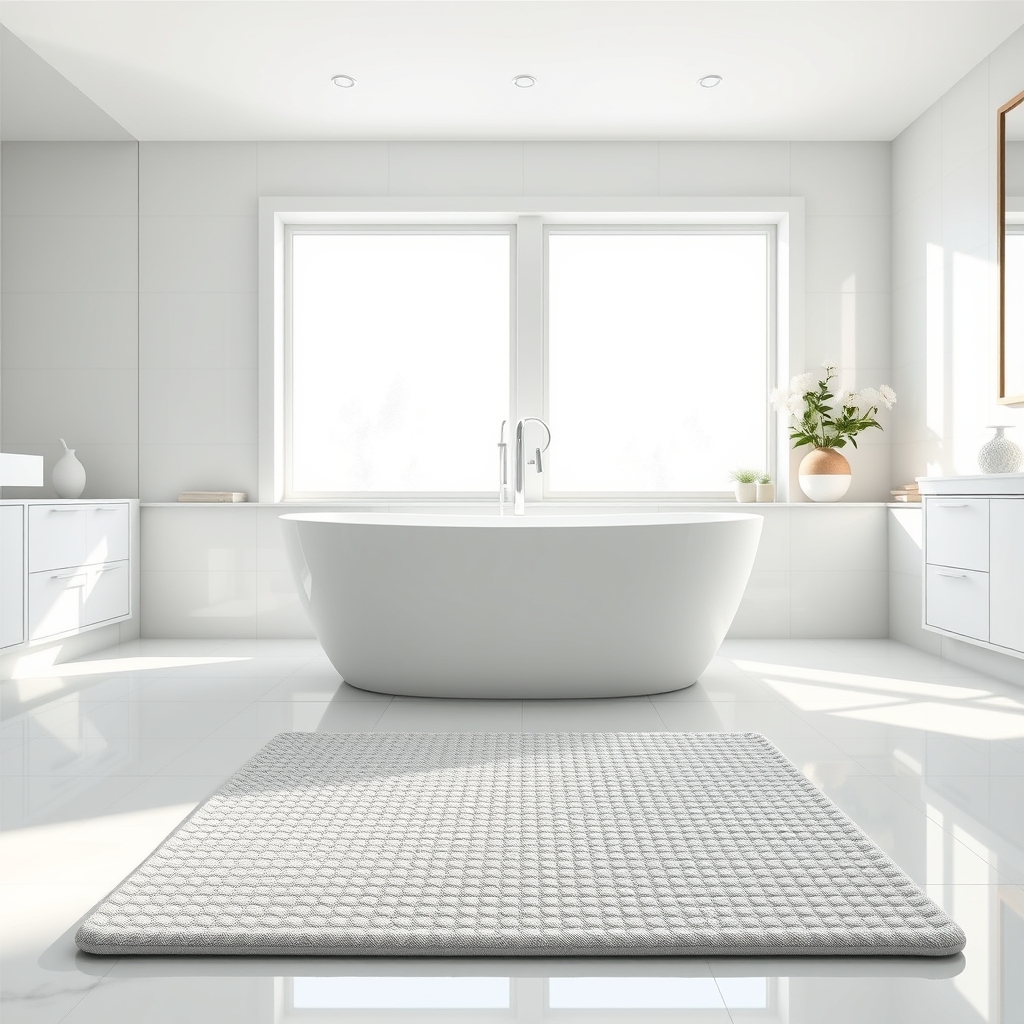
Non-slip bath mat choices aren’t just about comfort—they’re essential for preventing dangerous bathroom falls, especially for seniors and families with children. Slip accidents are a real, documented risk in every household, making the right bath mat a powerful safety tool you can’t ignore.
Key Takeaways
- Slips and falls in bathrooms send millions to the emergency room every year—seniors are most at risk.
- Choosing the right non-slip bath mat involves more than picking any mat off the shelf; fit, drying speed, grip technology, and maintenance all matter.
- Many bath mats lose grip, develop odors, or don’t suit textured tubs—knowing pitfalls helps you avoid wasted money and risk.
- Why Non-Slip Bath Mats Matter: The What and Why
- How to Choose and Use the Right Non-Slip Bath Mat (Step-by-Step Guide)
- Advanced Analysis & Common Pitfalls: What Most People Miss
- Conclusion
- Frequently Asked Questions
Why Non-Slip Bath Mats Matter: The What and Why
Bathrooms are one of the most hazardous areas in any home, with wet surfaces causing over half of all slips and falls, according to recent accident statistics. Each year, more than 8 million people visit the emergency room for falls, and the risk is especially severe for those over age 65, who account for at least 3 million ER visits annually due to falls. In fact, bathroom accidents make up 80% of senior home falls, and numbers keep climbing as the population ages.
Non-slip bath mats dramatically reduce the chance of slipping on both smooth and slightly textured tub surfaces. They offer affordable, low-profile protection while adding comfort and style to your space. While no mat can guarantee absolute safety, a well-chosen non-slip bath mat is one of the simplest, most effective upgrades for bathroom safety. Understanding the features and pitfalls of these mats helps you choose wisely—not just for now, but years to come.
How to Choose and Use the Right Non-Slip Bath Mat (Step-by-Step Guide)
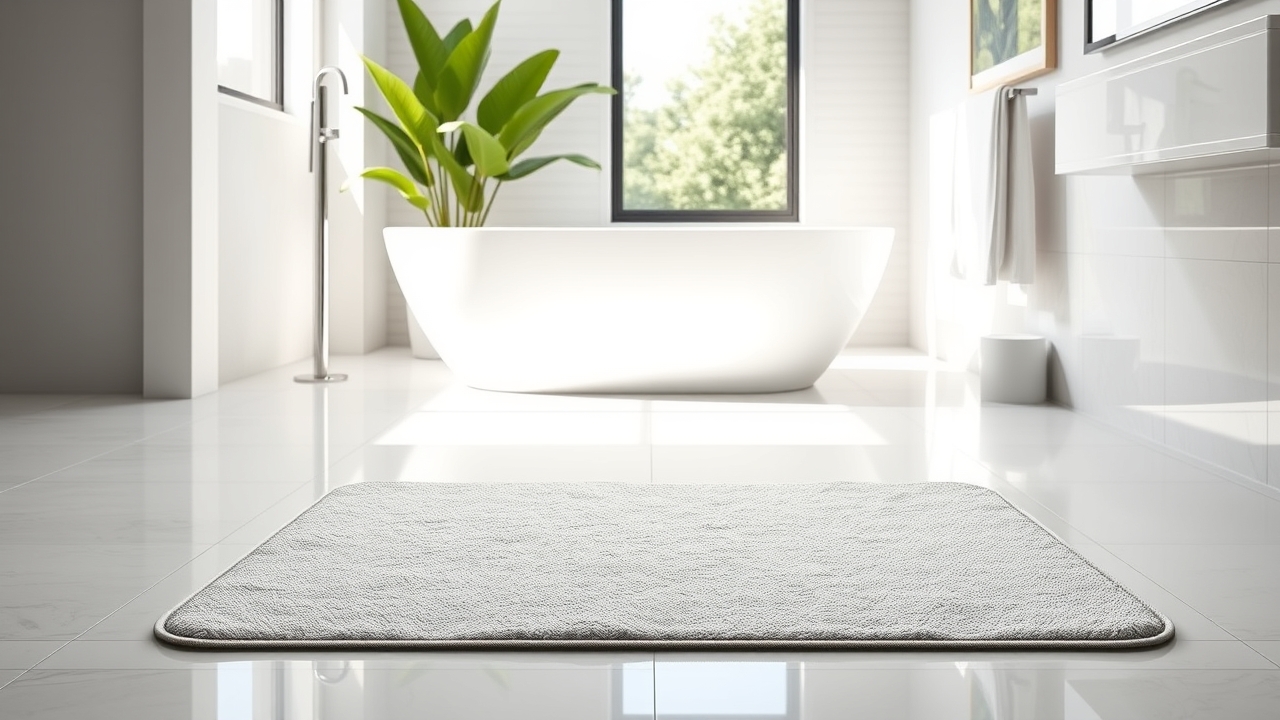
- Measure your tub, shower, or floor area to ensure optimal mat size and coverage. Most non-slip bath mats range from 16×28 inches to extra long styles near 39 inches. Insufficient coverage is a common reason for household slips.
- Decide on surface compatibility. Not all bath mats grip equally well on every surface. If your tub is textured, check specifically for mats labeled “non slip bath mat for textured tub” or “no suction cup” designs that use grippy undersides instead.
- Material matters. Rubber, PVC, and silicone offer different benefits. Rubber stays flexible, PVC resists mildew, and silicone tends to be “quick dry” but slightly less grippy on slick porcelain. If the mat will be used by seniors, seek medical-grade or “ADA/ASTM certified” options if noted.
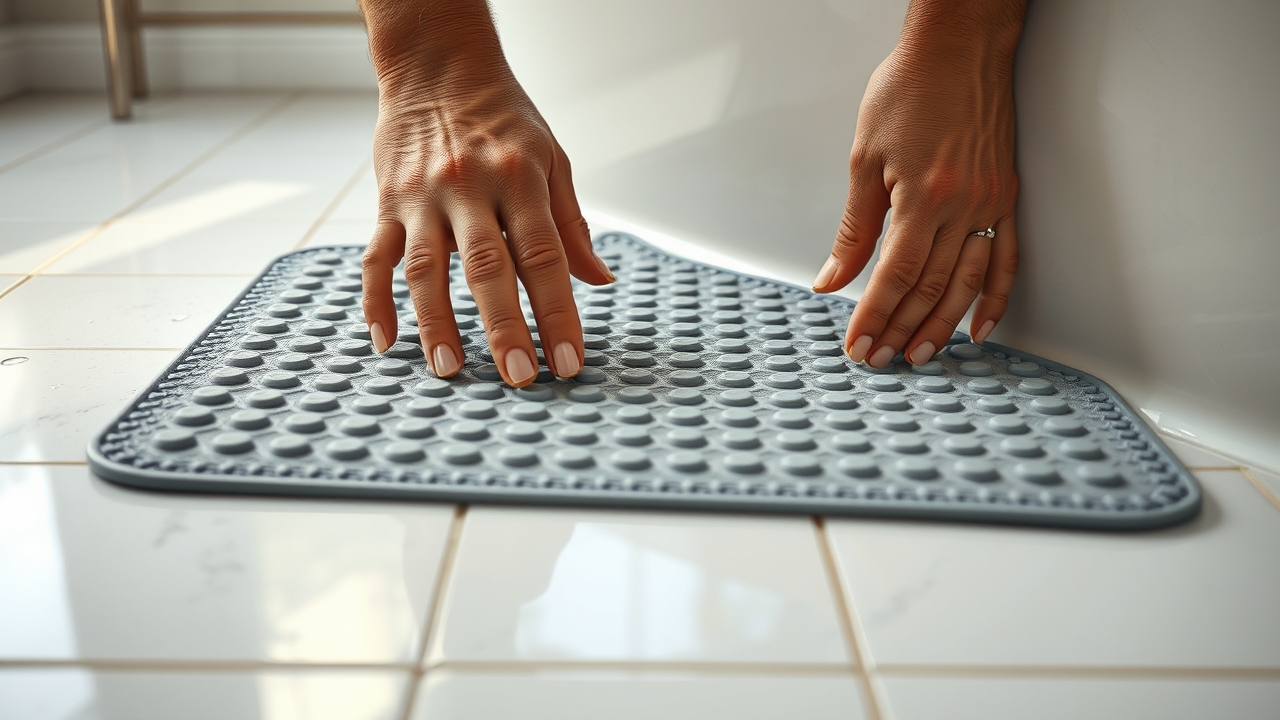
- Check suction cup design. The best non-slip bath mats use dozens or even hundreds of small suction cups for secure grip. However, suction cups may not stick to textured or anti-slip tubs—read the product fine print before buying.
- Prioritize quick drying and mold resistance. Mats with special drain holes, raised textures, or open weave dry faster and resist mildew odors. If the product’s label says “quick dry,” look for technical explanations of the feature.
- Weight and mobility. If the mat will be moved often or used by someone with limited strength, lighter mats are easier to lift and reposition. There’s often no published weight limit—but heavier, thick mats may be cumbersome.
- Clean regularly. Wash the mat weekly or as recommended. Some are machine washable; others require manual scrubbing. Skipping this step leads to quick buildup of soap scum and mold and odor.
If you’re upgrading your bathroom, you might also explore budget-friendly updates like new lighting or fresh paint. For inspiration on these topics, see this guide to affordable bathroom makeovers or try beginner projects from the DIY home renovation projects post.
Advanced Analysis & Common Pitfalls: What Most People Miss
Choosing a non-slip bath mat isn’t always problem-free. Here are realistic challenges, based on user patterns and the areas where most products fall short:
- Mats don’t stick to textured tubs: Most mats with suction cups only work on smooth, shiny surfaces—not textured or anti-slip tubs. If you don’t check this before purchasing, your mat may slide anyway.
- Slow drying = mold and odor: Thick rubber or closed-cell PVC mats can take hours to dry, especially if they lack drain holes. Leaving mats wet encourages mildew growth, leading to musty bathrooms and possible health risks.
- Fitting issues: Extra long and curved tubs, oddly shaped showers, or walk-in showers may require special-order or oversized mats. Most mats are 16”x28”, but for full coverage, extra-long styles (up to ~39”) might fit better. Brands don’t always list weight limits, but standard household use rarely causes issues unless overloaded or heavily creased.
- Loss of grip over time: Cheap mats often lose suction after weeks of use, especially if not cleaned regularly. Soap scum and hard water deposits on both the mat and tub floor accelerate this problem.
- Suction cup problems: Suction cups can deteriorate or lose flexibility, becoming brittle—especially with repeated hot water exposure or aggressive cleaning chemicals.
- Difficulty cleaning: Mats with heavy patterns, thick texture, or funky shapes can be tricky to keep clean. Mats listed as “machine washable” are the easiest to maintain.
| Feature | Benefit | Potential Issue |
|---|---|---|
| Hundreds of suction cups | Best grip on smooth tubs | Often won’t stick to textured tubs |
| Quick dry design (drain holes, open weave) | Reduces mold, faster to clean | Sometimes less cushioned, not as plush |
| Extra long mats | Full coverage for large tubs/showers | Harder to clean/lift, can bunch up if too big |
| Rubber/Silicone material | Resists slips and mildew, soft underfoot | Some retain odor or stain with hard water |
| Machine washable construction | Easy cleaning extends lifespan | Washing too often may damage some mats |
For more ideas on making your home smarter and safer, explore smart home improvement upgrades or see how modern lighting enhances bathroom safety in this automated lighting guide.
Conclusion
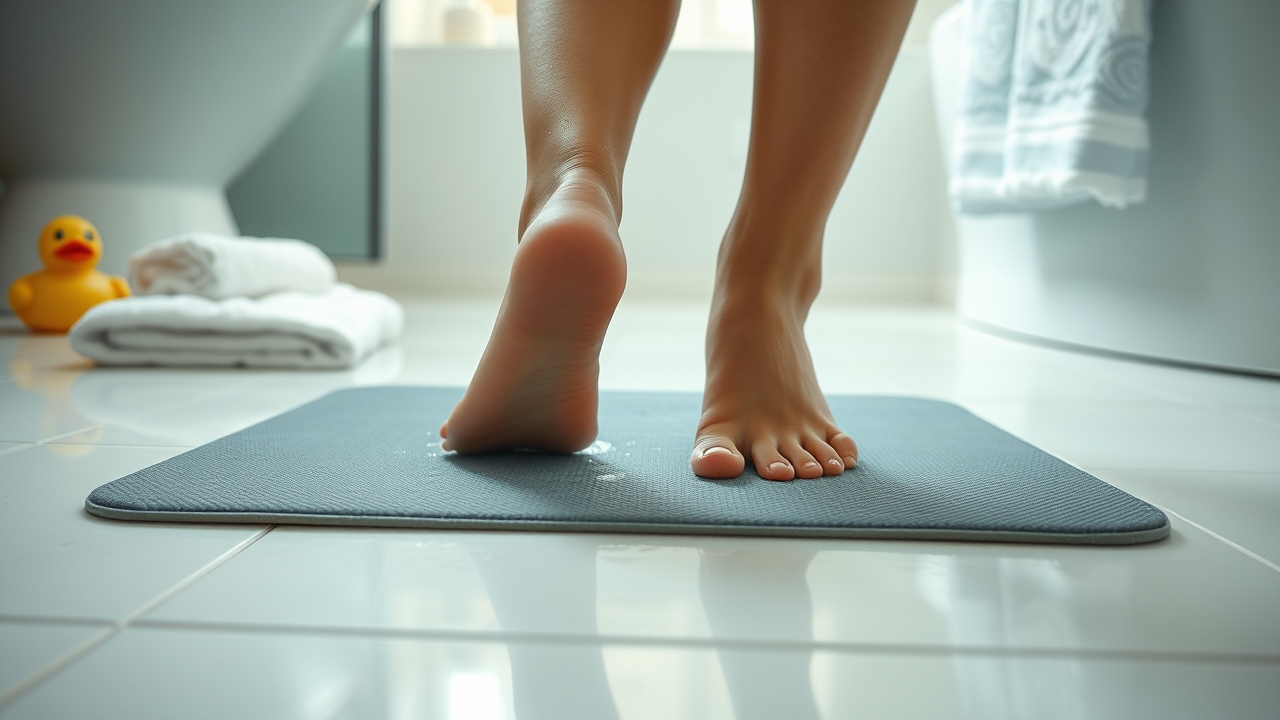
Bathroom falls are common and dangerous—especially for seniors—yet most slip accidents are preventable with the right planning. Choosing the best non-slip bath mat for your family requires matching the mat to your tub surface, choosing a suitable material, and making time for weekly cleaning. Don’t overlook the downsides such as drying time, suction loss, or fit issues—knowing these pitfalls helps you select a mat with confidence. Your next step? Review your bathroom’s needs, compare top mats, and take action before the next slippery accident happens. Prioritizing a non-slip bath mat is one of the smartest, easiest ways to make your home safer—starting today.
If you’re looking to upgrade other areas, check out our home improvement guide for modern living spaces or see recommendations for the best bath mats for seniors and families.
Frequently Asked Questions
Are suction cup bath mats safe for textured tubs?
Most suction cup bath mats do not grip well on textured or anti-slip tubs. Look for mats labeled for textured surfaces or try “no suction cup” grippy mats instead.
How can I keep my bath mat from smelling or getting moldy?
Hang the mat to dry after each use and wash it weekly. Fast-drying mats with drainage holes, open weave, or mildew-resistant materials stay fresh longer and are easier to clean.
Do extra long shower mats work for walk-in showers?
Yes, many extra long non-slip shower mats work well in walk-in showers. Measure your stall in advance—some mats may be too wide or long if the space is smaller than a standard tub.
What’s the difference between rubber, PVC, and silicone non-slip bath mats?
Rubber is flexible and usually provides the best grip, but can absorb odors. PVC mats resist mildew, are lighter, and quick to dry, though often less soft. Silicone mats tend to be quick drying and less likely to trap bacteria, but may be pricier and sometimes offer slightly less grip on smooth porcelain.
How do I know if a bath mat is “quick dry”?
Quick dry mats usually mention special drain holes, an open weave, thin construction, or micro-perforations in their product description. If these features aren’t listed, the mat will likely take longer to dry and may be more prone to mildew.
—