
### Blog Post:
Heat pump combo washer dryers are changing how people do laundry in small homes and apartments by combining top energy savings with true ventless installation. But are they the right upgrade for your space, budget, and routines—especially in 2024 with all the new models and tech? Here’s what you need to know, including the honest pros, real drawbacks, and actionable steps for smart buying.
Key Takeaways
- Heat pump combo units can slash energy use by up to 75% versus standard electric dryers, saving $80-$130 per year—but they usually cost more upfront and dry loads slower.
- For small spaces or rentals, ventless design means easy installation and no ducting, but you must handle longer cycles and potential humidity buildup.
- New models like the LG WM6998HBA and GE Profile PFQ97HSPVDS offer improved performance, but still require more patience and careful placement for best results.
- What Is a Heat Pump Combo and Why Should You Care?
- How to Choose and Install a Heat Pump Combo Unit
- Advanced Analysis and Common Pitfalls with Heat Pump Combos
- Conclusion
- Frequently Asked Questions
What Is a Heat Pump Combo and Why Should You Care?
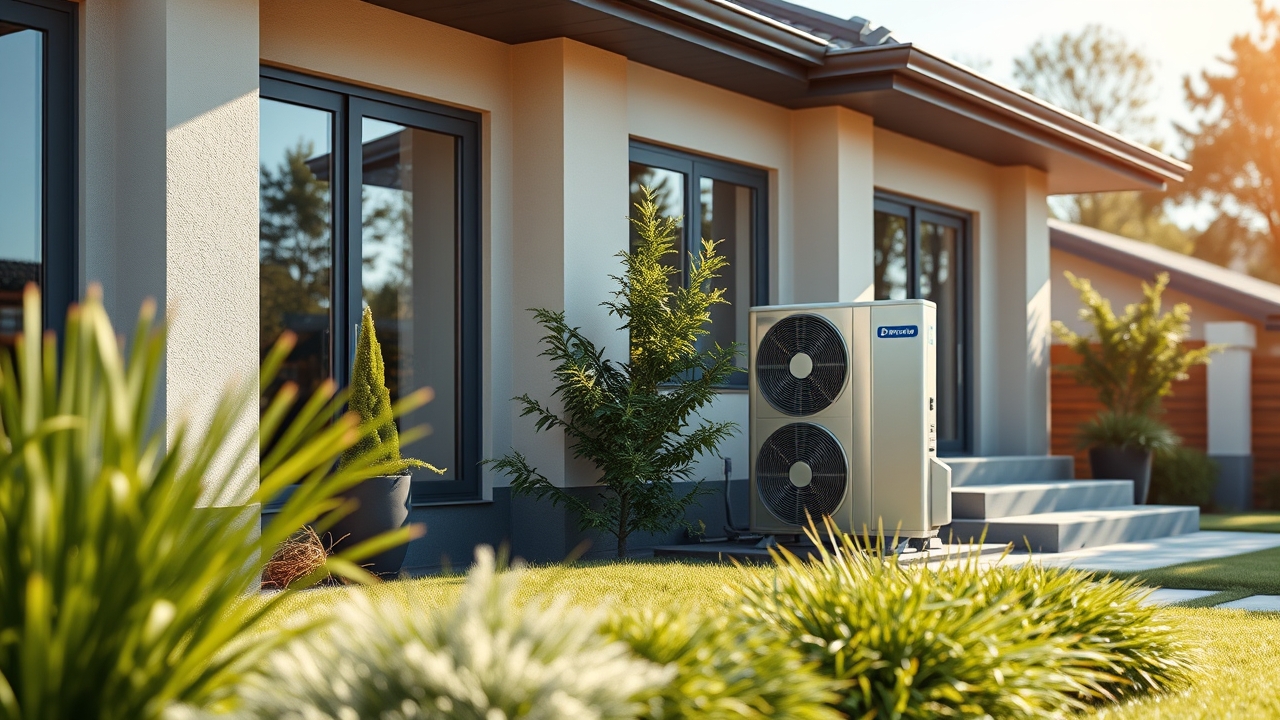
A heat pump combo washer dryer, also called an all-in-one ventless combo, is a single machine that washes and dries laundry using an energy-efficient heat pump instead of a traditional electric or gas heating element. The main draw: you get two appliances in one, no venting required, and dramatically lower energy bills.
Unlike conventional dryers that blow hot air out a duct, heat pump combo units recycle heat through a closed system and remove water by collecting it as liquid, draining it away with your wash water. This saves energy (as low as 0.5-1 kWh per load, compared to 2.5-4 kWh for standard dryers) and fits spaces where external ventilation is impossible—like apartments, condos, or older homes.
But is it all upside? Not always. Heat pump combos require more time per load (expect 2-3.5 hours for a full wash and dry), and higher up-front cost is typical. Still, the savings add up: top models like the Blomberg WM98220SX/DHP24404W use just 217 kWh/year, a fraction of conventional pairs. For most users, especially those tight on space or seeking efficiency, the heat pump combo is the most practical laundry appliance available.
How to Choose and Install a Heat Pump Combo Unit
Getting the right heat pump combo washer dryer in 2024 is all about choosing a model that matches your lifestyle, space, and patience. Here’s a simple actionable process for success:
- Measure Your Space Carefully. Most units need about the same room as a standard front-loader, but check height and depth—especially for doors/stacking, plumbing access, and airflow.
- Choose a Trusted Brand and Model. Look for ENERGY STAR listings. Models like LG WM6998HBA, GE Profile PFQ97HSPVDS, and Blomberg are 2024’s leaders for savings and reliability (annual service rates under 10%).
- Confirm Electrical and Plumbing Needs. Most new units run on standard 120V or 240V outlets. No external venting is required—only a drain hookup and sturdy floor. No need to cut holes for ducts like old-school dryers.
- Plan for Long Run Times. Wash/dry cycles generally run 2-3.5 hours per load. If you have larger laundry loads or want fast changes between loads, consider how the longer cycles fit your schedule.
- Install with Care. Use level flooring, and make sure drainage is secure—improper draining can cause humidity buildup or leaks, especially in small apartments.
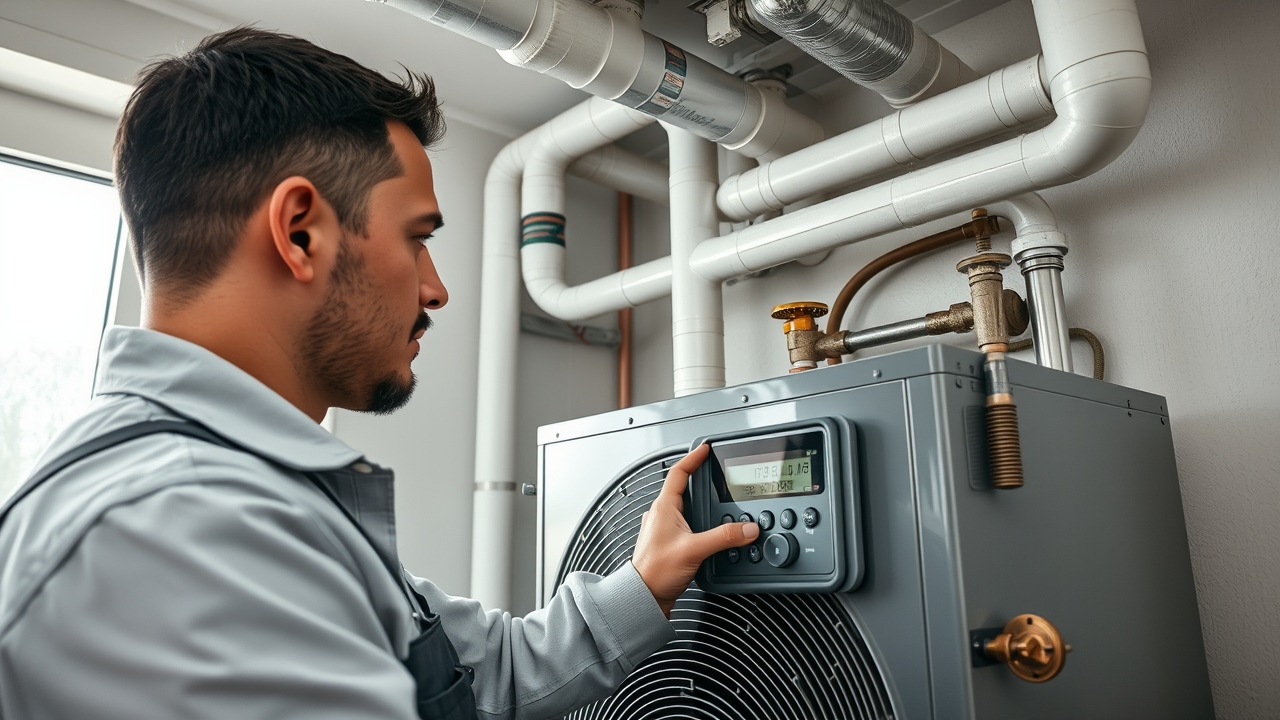
- Maintain Regularly. Clean filters and check drains monthly to prevent lint clogs and keep condensation working right. Maintenance is usually easy and tool-free, but don’t skip it.
For renters or those in older buildings, the ventless format allows installation in places where regular dryers are off-limits. You’ll also find these units in many ventless washer dryer solutions for apartments and rental properties, making them a smart upgrade. For broader property improvement tips, see our home improvement guide for modern living spaces or check out smart home improvement ideas to increase property value.
Advanced Analysis and Common Pitfalls with Heat Pump Combos
Despite all the energy savings, heat pump combo units are not perfect for every household. Here are the most common issues users report, and what the latest research really shows in 2024:
- Long Dry Times: On average, a 12-pound full load may require 3-3.5 hours to dry, compared to less than 1 hour for a vented dryer. This is the number one complaint for busy households.
- Humidity Buildup: Although these are ventless, if the drain for condensed water isn’t secured—or in very humid, non-ventilated spaces—ambient humidity may spike. Mold is rarely reported, but the risk exists if the appliance leaks or is poorly drained.
- Higher Initial Cost: Purchase prices are often higher than classic pairs. However, annual savings of 450 kWh (about $80-$130/year) can offset this over the lifespan. Many ENERGY STAR units promise 10-15 years of reliable use, with LG models showing only 8.5% service calls in the first five years, slightly better than GE’s 9.5% rate (source).
- Noise: Noise measurements are not widely published, but lower drying temperatures mean overall quieter cycles than vented, high-heat machines.
- Space Limitations: Most combos fit standard front-loader slots but, because they can’t be split into two machines, you must always dedicate the space to laundry. Stackable alternatives exist, but might not use heat pump tech.
| Model | Key Specs | Annual Energy Use | Cycle Time (12 lb load) | Service Rate | Warranty (Inferred) |
|---|---|---|---|---|---|
| Blomberg WM98220SX/DHP24404W | 4.5 cu-ft, ventless 240V | 217 kWh/yr | 2.5 to 3.5 hours | Data not published | Standard (not specified) |
| GE Profile PFQ97HSPVDS | Heat pump, ventless | < 400 kWh/yr | 3.5 hours | 9.5% / 5 years | 1-10 years (typical GE) |
| LG WM6998HBA | 5 cu-ft, 120V inverter | < 1 kWh per load | 2.5-3 hours | 8.5% / 5 years | 10 years motor (typical) |
Three important considerations competitor articles usually miss:
- Drainage and humidity extraction rates—vital for avoiding indoor moisture problems in tight, poorly ventilated apartments
- Real-world brand reliability data—not just energy figures, but how often owners report breakdowns
- Detailed warranty information—especially for heat pump parts, which are more complex than regular dryer elements
Curious how these savings stack against other energy-efficient home upgrades? Check out our in-depth look at energy-efficient home upgrades that save money, or learn how smart thermostats play a role.
Conclusion
Heat pump combo washer dryers are the most energy-efficient way to add laundry to tight spaces—especially modern apartments or older homes without vent access. While the longer dry times and upfront investment require a bit more patience and planning, the savings in dollar and kWh are real. For households that want to lower bills, reduce environmental impact, and avoid complicated installs, a heat pump combo is a realistic and highly practical option in 2024. Ready to shop smart? Review your own space, needs, and energy goals to select the best model—and enjoy hassle-free, future-proof laundry for years to come.
Frequently Asked Questions
How much energy can I actually save with a heat pump combo washer dryer in 2024?
With a modern model like the Blomberg WM98220SX/DHP24404W, you can use 28% to 75% less energy than a conventional setup, saving 450 kWh or about $80-$130 a year on utilities (source).
Are heat pump combo dryers really suitable for apartments and rentals?
Yes. The ventless design allows installation in apartments with no access to exterior ducts, requiring just a standard outlet and a drain hookup. Just be aware of longer cycles and ensure proper drainage to avoid humidity buildup.
What’s the biggest downside to a heat pump combo in daily use?
The most common complaint is the long dry time—about 3-3.5 hours for a typical large load. If you often need multiple loads back-to-back, this is the main inconvenience.
How long will a heat pump combo washer dryer last?
Most models are built to match standard front-loader lifespans: 10-15 years. Brands like LG and GE currently have 8.5% and 9.5% service rates over 5 years, which is a strong reliability record (source).
Are there any maintenance steps I shouldn’t skip?
Yes. Clean the lint filter and drainage lines monthly to prevent clogs, reduce odors, and keep the heat pump operating efficiently for years.
—