### Blog Post:
Smart home devices are transforming the way we live, giving homeowners more comfort, convenience, energy efficiency, and security than ever. In 2026, connected technology is no longer a luxury. It is quickly becoming standard in homes worldwide. If you want to understand which devices matter most, why the market is booming, and how innovations like AI and true interoperability are changing home life, you are in the right place. This pillar article breaks down smart home trends, industry data, expert-backed upgrade ideas, and emerging categories for 2026. You will learn about adoption, pain points, product types, and what sets the best devices apart. Dive deeper into each upgrade area with links to more guides, like our roundup of the best smart home devices for comfort, security, and energy savings.
Key Takeaways
- Global smart home adoption is accelerating, with over 260 million homes already using connected devices and the US market leading in both adoption and spending.
- New device categories in 2026 focus on AI integration, energy efficiency, privacy, and centralized hubs for easier control and better interoperability.
- Significant gaps still remain in pricing transparency, product comparisons, setup challenges, and privacy guidance, which homeowners must navigate carefully when upgrading.
- Introduction
- What Are Smart Home Devices and Why Do They Matter?
- Smart Home Adoption and Market Growth in 2026
- Technology Innovations and Breakthroughs Shaping Smart Homes
- Expert-Recommended Smart Home Upgrades
- Product Categories and Pathways for Deeper Research
- Conclusion
- FAQ
What Are Smart Home Devices and Why Do They Matter?
Smart home devices are everyday appliances, accessories, or systems with built-in connectivity and automation. These include smart lighting, thermostats, cameras, locks, sensors, plugs, and hubs. As a network, these devices communicate via Wi-Fi, Zigbee, Matter, or other protocols—letting you control them remotely by app, schedule, or voice assistant.
Modern smart homes span simple automations (like turning on lights at sunset) to AI-driven setups predicting comfort, cutting energy waste, or enhancing security. Device types fall into key categories: environmental control (thermostats, air quality), lighting and plugs, security and surveillance, home management (hubs, apps), and convenience gadgets (robot vacuums, smart beds).
This technology matters for two reasons. First, it saves homeowners time, energy, and money. Second, it raises expectations for comfort and security. Real-world adoption is now widespread, and smart features often raise property values. For a breakdown of popular devices, see our guide to the top smart home upgrades for comfort and efficiency.
Smart Home Adoption and Market Growth in 2026
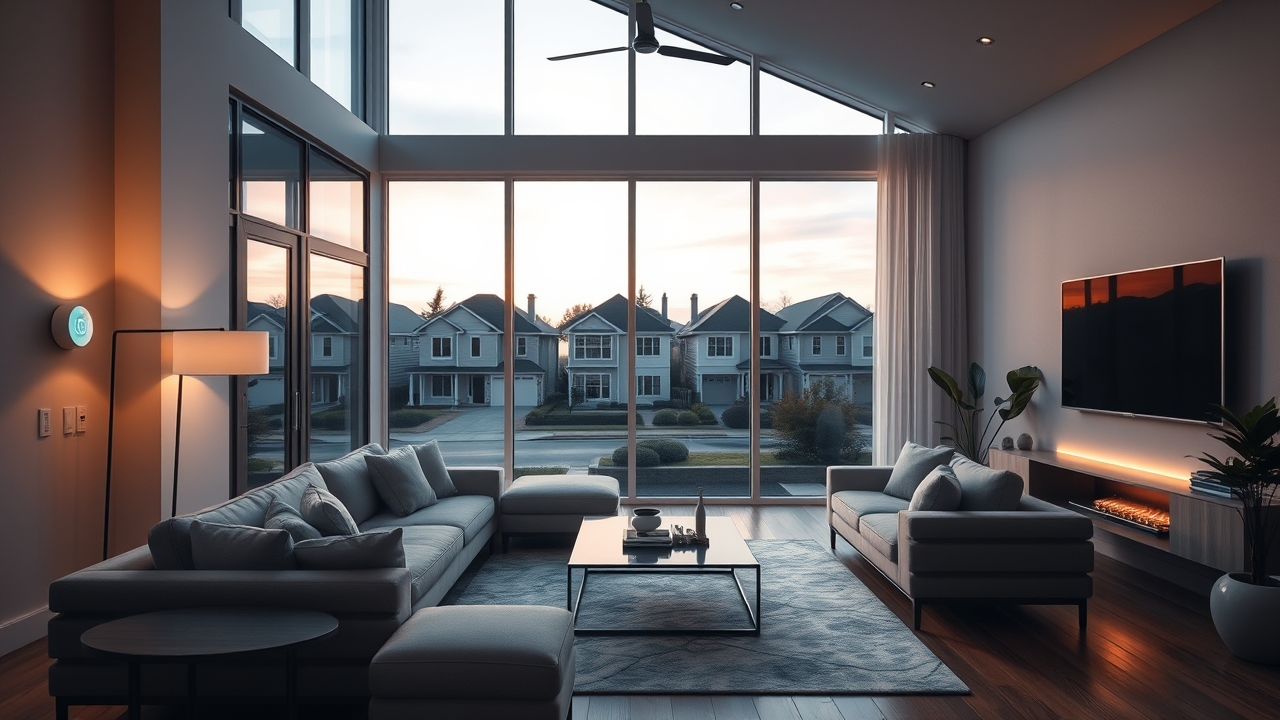
Smart home technology is reaching record global adoption rates, with the market seeing double-digit annual growth. Here are the most important trends and numbers for 2026.
Global Growth and Forecasts
The global smart home market is expected to hit USD 180.12 billion in 2026, up from USD 147.52 billion in 2025 (source). Forecasts suggest this sector could surpass USD 1.4 trillion by 2034, reflecting a rapid shift in residential technology expectations (source).
Regional Trends
North America claims the largest market share, with the US leading both in total connected devices and user spending. As of 2025, 63 percent of US households own at least one smart home device. The average US smart home features eight or more smart products. In fast-growing Asia Pacific, adoption is climbing at 25 percent year-over-year. Source: industry statistics.
Consumer Spend and Value
Smart home spending is robust. The average user will spend about USD 2,500 annually on upgrading, maintaining, and automating. Nearly 80 percent of home buyers are willing to pay extra for built-in smart features.
For a look at setting up your first smart system, visit our beginner’s setup guide.
Technology Innovations and Breakthroughs Shaping Smart Homes
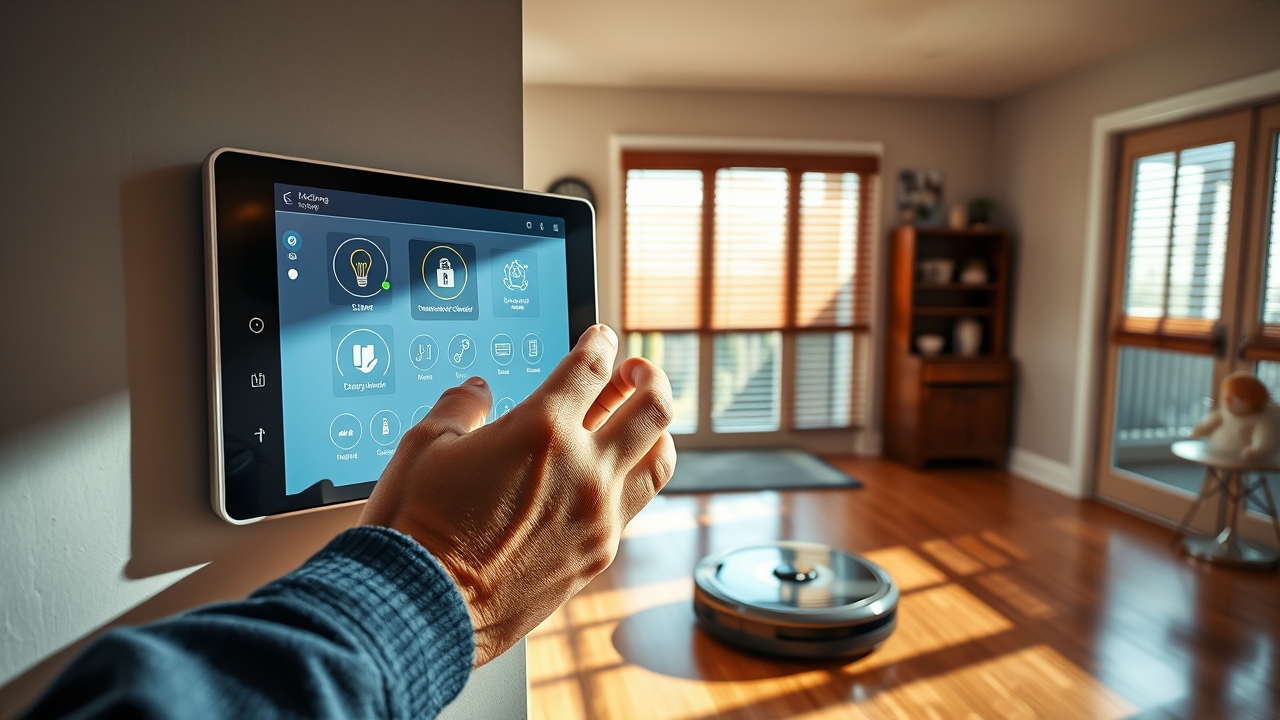
The smart home sector in 2026 is defined by major leaps in AI, security, energy efficiency, and interoperability. Homeowners and renters alike are navigating an evolving set of device standards and capabilities.
AI-Driven Automation and Personalization
By 2026, nearly all new smart home systems use artificial intelligence to drive automation. This means your climate, lighting, and appliances adapt to habits or even anticipate needs. AI-powered HVAC systems can cut energy consumption by up to 20 percent. Machine learning updates are now focused on privacy (“on-device” learning is standard) to protect your personal data.
Better Integration and Interoperability
Compatibility is easier but not perfect. With 40 percent of devices using the new Matter 1.2 standard, seamless communication is moving closer to reality. Wi-Fi is still the dominant protocol, but edge computing is cutting delays and reducing cloud reliance.
Security, Voice, and Network Upgrades
Security is a core priority. In the US, 60 percent of smart home users rely on connected security devices, and adoption is growing fast. Voice control is also mainstream, with more than two thirds of device commands initiated via virtual assistants. This improves ease of use but can still be buggy, especially across ecosystems.
Curious about the best hub to connect multiple devices? Explore our comparison of beginner-friendly hubs.
Expert-Recommended Smart Home Upgrades
What are the best upgrades for your home in 2026? Direct expert picks are rare, but large-scale user data highlights the most recommended and desired smart home improvements.
Centralized Multi-Function Hubs
Nearly half of all surveyed consumers want a central hub as their next smart home upgrade. These devices streamline control for lighting, security, and automations—especially in homes with multiple brands or ecosystems.
Smart Lighting Systems
Lighting is the first upgrade for many. Over a third of users now automate lighting for bedtime routines or energy savings. LED options, color tuning, and easy schedules make smart lighting bulbs and switches highly popular.
Robot Vacuums, Video Doorbells, and Remote Monitoring
robot vacuums floor cleaners and video doorbells give hands-free convenience and security. Over 56 percent of smart home users rely on their devices for remote monitoring and app-based controls while away. For a direct look at video doorbell options, see our guide to affordable, subscription-free models.
Product Categories and Pathways for Deeper Research
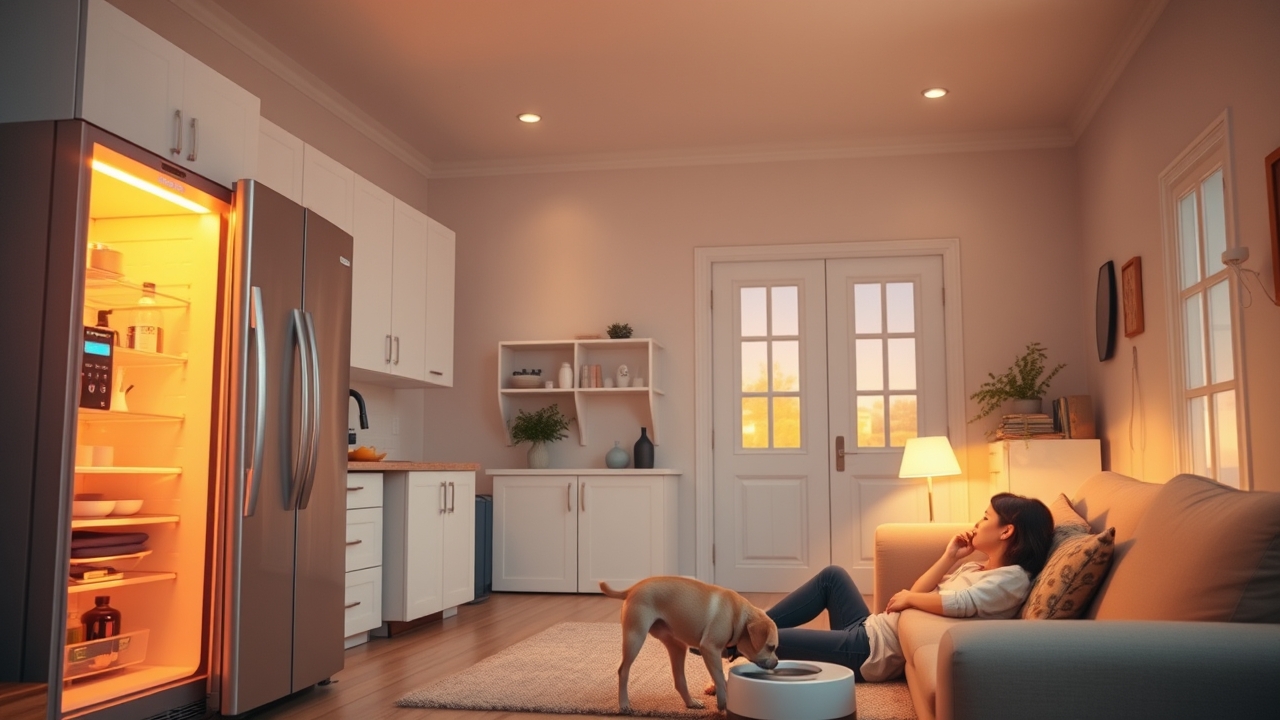
The smart home ecosystem is organized into a few core product categories. Each area offers room for upgrades and has unique buying factors. Explore the articles below for deep dives into each:
- Smart Hubs & Controllers — Check our guide
- Smart Lighting & Plugs — Understand the differences
- Security Cameras — Best options for safety
- Thermostats — thermostats
- App Ecosystems & Network — Setup walkthrough
Conclusion
Smart home devices are reshaping the future of home improvement. With fast-growing adoption, better AI, and new device integrations, 2026 looks like a tipping point for mainstream connected living. The most successful upgrades are those that balance convenience with privacy, interoperability, and tangible savings—whether you are automating comfort, security, or energy.
If you want a closer look at specific products and buying criteria, read our complementary article, best smart security cameras for home improvement 2026. For the big picture, continue with the exact smart home devices that fit your upgrade goals and budget.
FAQ
How many smart home devices does the average US home have in 2026?
On average, homes in the United States have eight connected smart devices in 2026. This includes hubs, lighting, thermostats, cameras, and other automation accessories.
Are smart home devices secure from hacking?
Security has improved with better encryption and strict access controls. However, risks still exist, especially if devices are not updated regularly or use weak passwords. Always update device firmware and use strong, unique login credentials.
What is the Matter 1.2 standard and why does it matter for interoperability?
Matter 1.2 is an open connectivity standard that allows smart home devices from different brands to work together seamlessly. Its adoption makes setup and automation much easier, reducing compatibility headaches for consumers.
How much does the average person spend on smart home devices in a year?
The average user spends about USD 2,500 annually on smart home devices and services. This figure includes both new purchases and ongoing subscriptions or automation services.
What are the biggest gaps in current smart home advice and articles?
Most articles miss detailed pricing, real user pain points, privacy considerations, interoperability challenges, and cost-benefit analyses. Shoppers should ask hard questions on these topics rather than assume every product is simple or risk-free.