
### Blog Post:
Ventless washer dryer units are transforming laundry routines for apartment dwellers and homeowners with limited space, but real-world experience reveals efficiency gains and practical hurdles compared to traditional laundry appliances.
Key Takeaways
- Ventless washer dryer combos use advanced heat pump technology to dramatically reduce energy consumption, though drying cycles remain significantly longer than vented models.
- Real users frequently mention long drying times, less effective drying, and the need to manually empty water condensation tanks as top complaints.
- For property owners, installation is flexible—ventless units work with standard 120-volt outlets and do not require venting, enabling upgrades in almost any space.
- Understanding Ventless Washer Dryer Combos
- How to Select and Install a Ventless Washer Dryer
- Advanced Analysis and Common Pitfalls
- Conclusion
- Frequently Asked Questions
Understanding Ventless Washer Dryer Combos
Ventless washer dryer combos integrate both washing and drying functions in a single appliance that does not require external venting. They function by extracting moisture from laundry using heat pump or condenser technology, trapping the water in a removable container or draining it automatically. The appeal is strongest for small urban homes, apartments, or situations where venting a dryer is impractical or impossible.
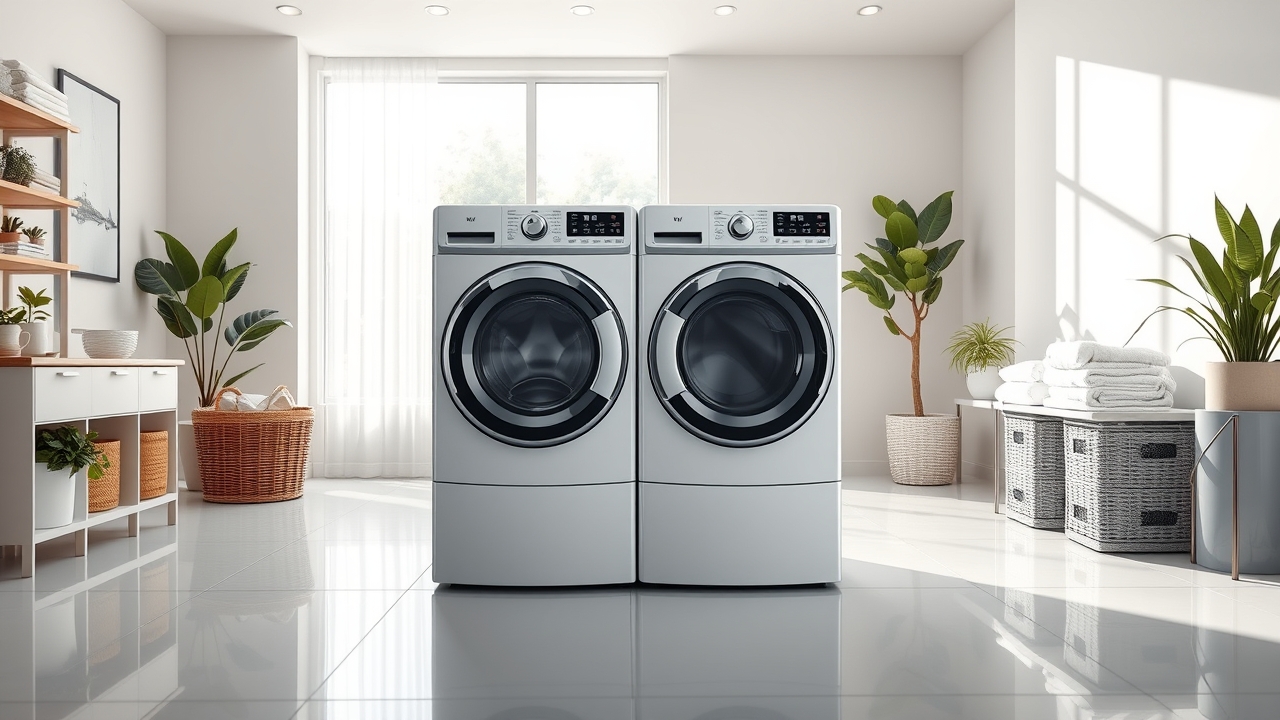
Compared to conventional vented machines, ventless washer dryer combos—like the GE Profile PFQ97HSPVDS and LG WashCombo—use up to 50% less energy due to lower drying temperatures and sealed airflow. These units are increasingly Energy Star-certified and recognized for sustainability, but they often sacrifice drying speed and thoroughness.
For many considering home upgrades, space-saving appliances such as these can be part of a home improvement guide for modern living spaces, especially when combined with other energy-efficient improvements.
How to Select and Install a Ventless Washer Dryer
Choosing the right ventless washer dryer means balancing space, efficiency, user convenience, and long-term value. Here is what you need to do:
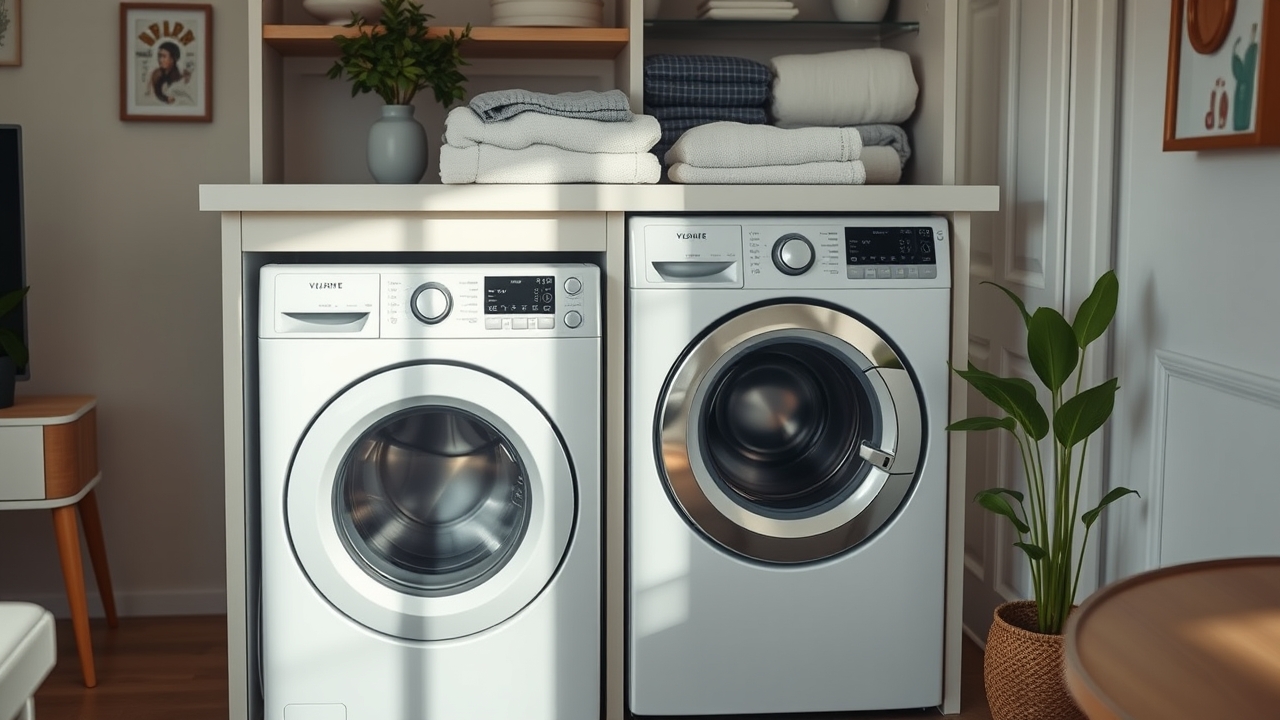
- Measure Your Space. Find a location near a standard 120-volt outlet. Ventless washer dryers fit under counters, in closets, or anywhere airflow is sufficient, but be sure to leave space for air circulation and easy drawer or tank access.
- Compare Energy and Water Efficiency. Opt for units like the LG WashCombo or Bosch heat pump models, which are Energy Star Most Efficient. These will consume up to 28% less energy and perform reliably for daily use.
- Check Capacity and Cycle Options. Choose a model in the 4.5–5.3 cubic foot range for small households. The larger the drum, the fewer loads you’ll need, though all-in-ones still perform best with smaller batches per cycle.
- Evaluate Features for Your Needs. Look for inverter motors (for quieter operation), remote/app controls, and options with quick wash or steam cycles. For rental properties or smart-home upgrades, units supporting Wi-Fi/app connectivity—like the LG WashCombo—add value and convenience. Learn more about smart, value-boosting upgrades in our guide to smart home improvement ideas.
- Plan for Maintenance. Determine whether you’ll need to empty the condenser tank manually. If your utilities, sink, or floor drain are nearby, most units allow you to connect the hose for fully automatic operation.
- Install and Level the Machine. Position the unit, ensure it’s level to minimize vibration, and secure connections. No venting is required, which makes setup far simpler than standard dryers.
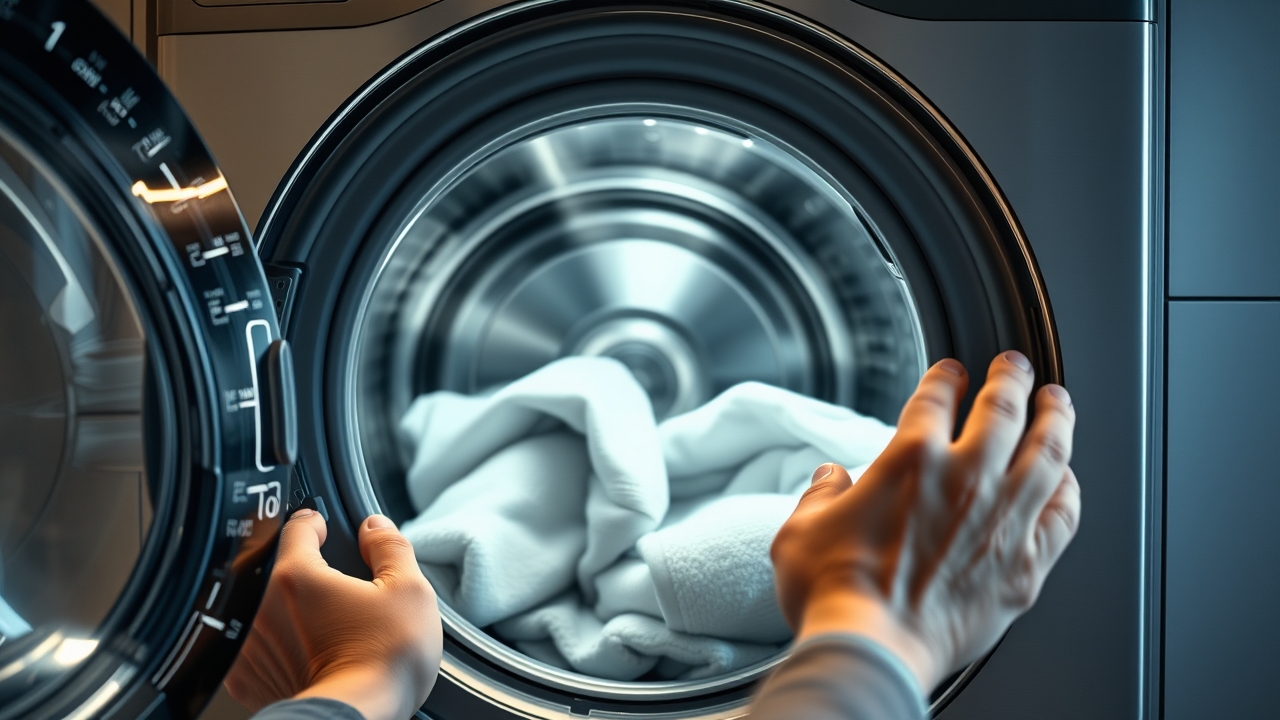
If you’re considering upgrades to your living space, ventless washer dryers partner well with space-saving furniture solutions, such as those outlined in our guide to choosing furniture for small apartments. Combining compact laundry with modular storage or modular storage furniture keeps small homes organized and efficient.
Advanced Analysis and Common Pitfalls
While the promise of ventless washer dryer combos is appealing, reviews and independent tests reveal persistent drawbacks. Here are the main challenges:
- Long Drying Times: Most heat pump ventless combos require 2 to 3.5 hours to fully dry a standard load—much longer than vented dryers. For instance, real-world testing of the GE Profile PFQ97HSPVDS found a 12-pound load took over 3 hours to dry (source).
- Mixed Drying Performance: Even top-rated, Energy Star-certified machines like the LG WashCombo or Bosch models can underperform, leaving heavier fabrics slightly damp, especially if the drum is full.
- Manual Maintenance: Many models require users to empty collected water manually after each cycle unless plumbed directly to a drain (source). Failing to do so interrupts cycles and can cause mildew.
- Capacity vs. Effectiveness: Across the 4.5–5.3 cu. ft. range, increasing drum size does not always improve drying performance, as larger loads reduce airflow and extend cycle times.
- Noise and Vibration: Despite advances like inverter motors, improper installation or overloading increases noise and vibration—noticeably more than separate, larger appliances.
| Feature | Ventless Heat Pump | Condenser Ventless | Vented Dryer |
|---|---|---|---|
| Energy Use | 28-50% less than standard | 10-20% less than standard | Highest |
| Drying Time (Typical) | 2–3.5 hours | 1.5–3 hours | 0.75–1.5 hours |
| Installation | No vent, 120V outlet | No vent, 120V outlet | Requires vent, 240V outlet |
| Water Disposal | Tank/manual or hose | Tank/manual or hose | N/A (vents outside) |
| Laundry Capacity | 4.5–5.3 cu. ft. | 4.5–5.3 cu. ft. | 5+ cu. ft. |
| Maintenance | Clean filter/empty tank | Clean filter/empty tank | Clean lint trap |
Those considering comprehensive energy improvements should also review energy-efficient home upgrades that save money, as ventless laundry is just one part of the whole-home savings picture.
Conclusion
Ventless washer dryer combos deliver true space savings and improved energy efficiency, especially models with heat pump technology. Still, their long cycle times, moderate drying effectiveness, and extra maintenance need to be considered before purchase. If you’re seeking modern comfort in a compact footprint or exploring how to increase property value with smart home improvement, a ventless washer dryer may be the upgrade for you. Evaluate your space, think about daily usage, and choose models that reliably suit your household’s routines—then enjoy the freedom of laundry almost anywhere.
Ready to make laundry easier and save energy? Explore top-rated ventless washer dryer options today and optimize your home for modern living.
Frequently Asked Questions
How long does it take to dry a load in a ventless washer dryer?
Standard drying times range from 2 to 3.5 hours for full loads. This is longer than most vented dryers due to lower operating temperatures and gentler air movement.
Do ventless washer dryers need special electrical hookups?
No, most models plug into a standard 120-volt outlet, making them much easier to install in apartments and older homes compared to vented dryers, which often need 240-volt outlets and exhaust ducts.
Is manual emptying of the condensation tank always required?
Manual emptying is required if a drain hose is not installed. Most models allow you to connect the unit to a household drain for fully automatic operation, greatly reducing maintenance.
Are ventless washer dryers a good fit for families?
They work best for smaller households or light laundry loads. Larger families may find the longer washing and drying cycles inconvenient if frequent or large loads are needed.
Will installing a ventless washer dryer raise my property’s value?
In space-constrained markets or rental properties, yes—ventless washer dryers can be a value-boosting upgrade. Read more in our guide to increasing property value with smart improvements.
—