
### Blog Post:
Peel stick wallpaper transforms any room in hours—but what actually works, what fails, and how can you avoid rookie mistakes? This comprehensive guide will show you realistic benefits, hidden challenges, and all the smart ways to get a pro-level result, even if you live in a rental or have never wallpapered before.
Key Takeaways
- Peel stick wallpaper is booming, especially for renters and DIYers, but surface prep and product quality matter most for long-term results.
- Moisture and textured walls are the top causes of failure—vinyl-based, low-VOC options offer more durability, but even those need the right prep.
- Major brands now focus on eco-friendly adhesives, easy removal, and unique designer patterns that command higher prices but minimize damage.
- What Is Peel Stick Wallpaper And Why Choose It?
- How To Install Peel Stick Wallpaper: Step-By-Step Guide
- Advanced Analysis & Common Pitfalls
- Conclusion
- FAQ
What Is Peel Stick Wallpaper And Why Choose It?
Peel stick wallpaper—sometimes called self-adhesive or removable wallpaper—is a DIY-friendly wall covering that sticks to smooth, clean surfaces with no glue, water, or permanent mess. It’s a modern solution for anyone who wants to quickly update a room without hiring a contractor, damaging surfaces, or committing long-term.
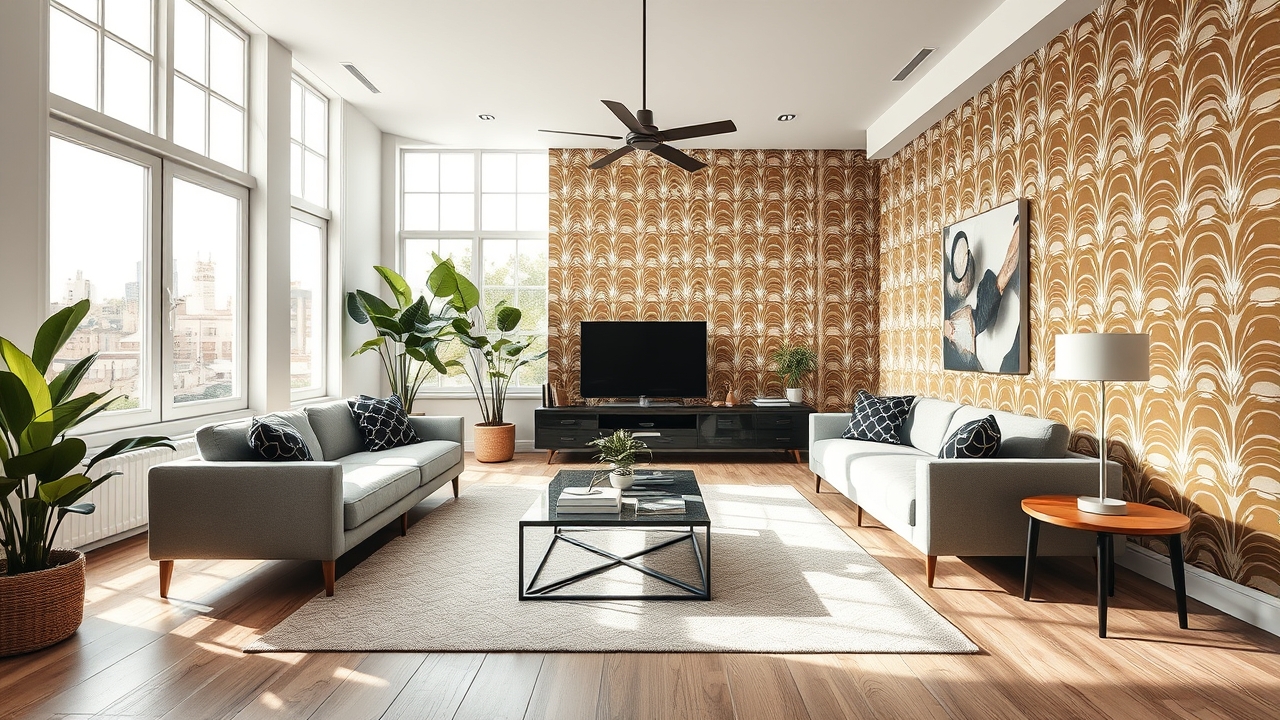
This category has exploded in popularity, reaching an estimated USD 2.5 billion in global value in 2023, with forecasts between USD 4.8 to 5.8 billion by 2034 and annual growth rates over 6%. Most buyers are urban renters, millennials, and homeowners following DIY trends for instant decor upgrades, especially in living rooms, bedrooms, and accent walls. More than 60% of demand comes from residential spaces eager for texture, color, or patterns with zero commitment.
Eco-conscious shoppers increasingly seek PVC-free, low-VOC variants and recyclable adhesives, while top brands compete with artist-licensed prints, digital patterns, or tactile fabrics. North America leads usage, but Asian markets (especially China and India) are growing fastest due to rapid urbanization and appetite for customizable decor.
How To Install Peel Stick Wallpaper: Step-By-Step Guide
-
Choose the right type. Prioritize vinyl-based for bathrooms/kitchens, fabric for bedrooms, and always check for PVC-free/low-VOC if indoor air quality or renter-friendliness matters.
- For a deep dive on renter-friendly wallpaper, see this guide.
-
Prep your wall. Smooth, clean, and dry surfaces are critical. Wipe off dust, grease, and repairs; any texture or moisture dramatically raises the risk of peeling or adhesion failure.
- New paint? Wait at least 3-4 weeks before install. Never skip degreasing in kitchens or bathrooms.
- Measure and plan your layout. Use a tape, level, and pencil to mark your first straight vertical line. Dry-fit a panel before peel-and-stick so you can visualize seams and cutouts.
-
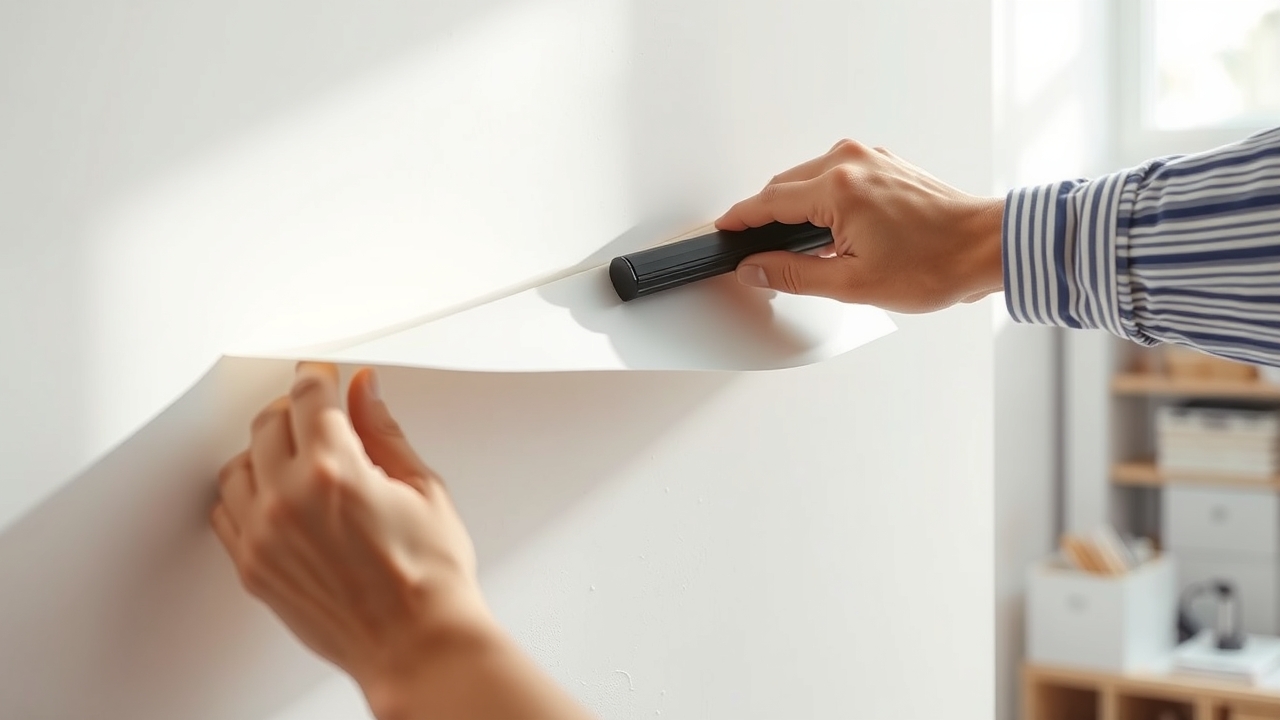
Peel, position, and stick. Starting from the top, gently peel back 8-12 inches of backing, align with your mark, and adhere, smoothing with a Felt-edged smoothing tool as you go down.
- Never stretch the material; reposition slowly if needed. Overlap tightly at seams for best results.
- Trim edges and outlets. Use a Sharp utility knife or scissors for crisp edges and to cut around outlets. Press edges firmly without “overworking” the adhesive.
- Repeat for each panel. Always work from one side to the other to minimize gaps and maintain your design pattern flow.
Extra Tips for High-Moisture Rooms
- Only use vinyl-based wallpapers in bathrooms and kitchens for maximum water resistance.
- Seal wallpaper edges with clear, removable caulk in areas with heavy splashing (e.g., near sinks or showers).
- Avoid direct steam or splash zones, or expect shorter product lifespans.
Surface Compatibility Advice
Self-adhesive wallpaper sticks best to smooth, satin, or eggshell-finish walls. Highly textured, dusty, or matte/flat paint can weaken adhesion and lead to premature peeling. For alternative wall treatments, consider reviewing this home improvement guide for modern living spaces for inspiration on prepping difficult surfaces.
Recommended Tools
- Tape measure and level
- Felt-edged smoothing tool or clean paint roller
- Sharp utility knife or precision scissors
- Gentle degreaser and microfiber cloth
Advanced Analysis & Common Pitfalls
Even with booming popularity, peel stick wallpaper is not failproof. Research from recent market studies shows that around 22% of user complaints involve adhesive failure, color inconsistency, or premature peeling—especially in humid areas. Here’s how to avoid the most common pitfalls:
| Problem | Root Cause | How To Avoid |
|---|---|---|
| Peeling in bathrooms/kitchens | Poor surface prep, use of fabric-based not vinyl, high humidity | Choose high-quality vinyl, prep with degreaser, avoid direct water zones, seal seams |
| Adhesion fails on textured walls | Wall texture blocks adhesive contact | Skim coat or sand wall first, test sample, or try thicker products |
| Wall paint peels off with removal | Cheap adhesive or wall not fully cured | Wait at least 4 weeks after painting, use reputable brands |
| Bubbles/ripples after install | Trapped air, rough handling, stretching paper | Smooth slowly with roller, don’t over-pull material |
| Color fading or inconsistency | Direct sunlight, low-quality ink or prints | Select digital, high-definition prints, avoid direct sun where possible |
Durability and Eco-Safety Trends
Top brands like Graham & Brown, Tempaper, and York increasingly use low-VOC, PVC-free, and even fabric-based solutions for eco-friendliness and renter safety. However, there are no universal certifications for safety or emissions. When shopping, prefer options that are explicitly marked “low-VOC”, “PVC-free,” or “removable without damage”—especially if you plan to move or redecorate frequently.
Premium products are surging in both innovation and price. Digital-printed, artist-licensed, and textured designs (floral, faux wood, brick) often cost more, while basic patterns sell for less. Estimate for tools and potential shipping, as these can add to your total cost—more on DIY-friendly, cost-saving ideas is available in this beginner renovation guide.
Expert Gap: Surface Compatibility and Long-Term Damage
Unlike paint, most wallpaper brands don’t publish removal damage rates or long-term adhesion metrics for every wall surface. There’s little “hard data” for highly textured drywall or outcomes after several years. If in doubt, always do a spot test and consider alternatives for tricky walls, such as reviewing washable rug solutions for easy decor swaps.
Conclusion
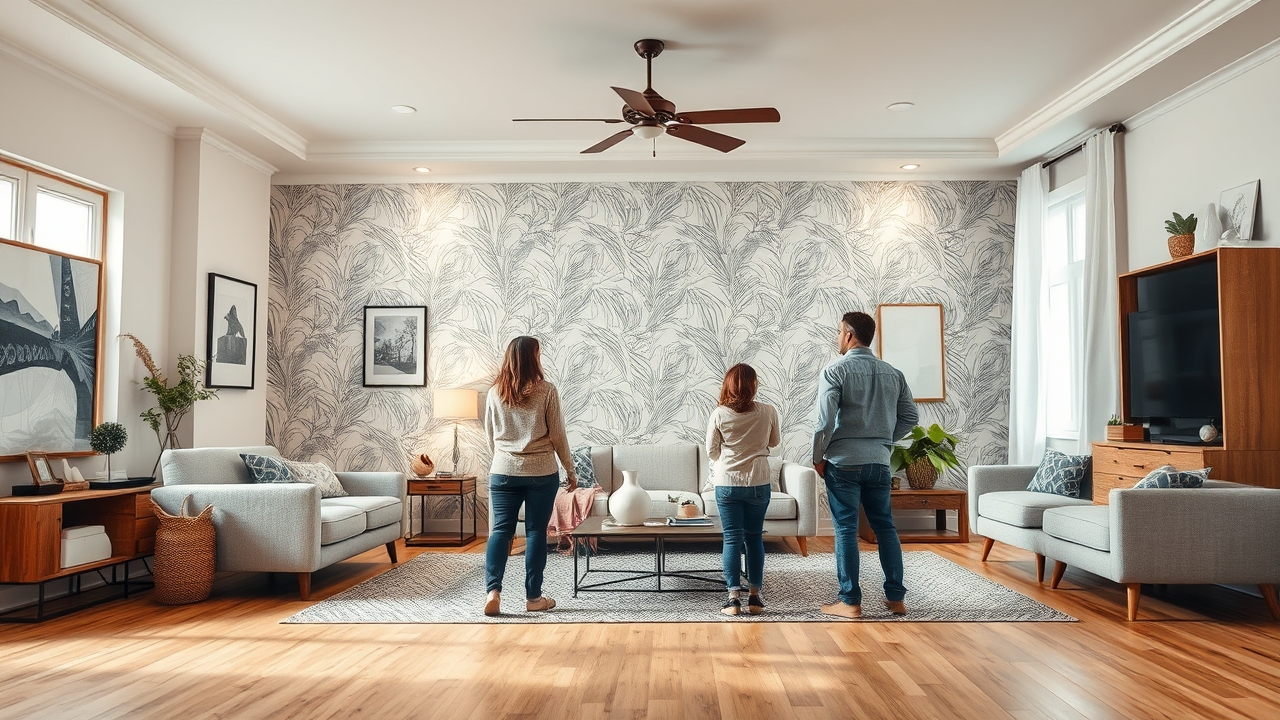
Peel stick wallpaper is a game-changer for fast, eye-catching design updates, especially if you’re renting or want zero-permanence style. But smart prep, material selection, and product quality matter more than ever—especially in bathrooms, kitchens, or when planning an easy removal.
If you want more ideas for budget-friendly bathroom upgrades or DIY wall solutions, check out these renovation tips or compare techniques in this painting guide.
Ready to transform your space quickly and safely? Start your next project with the right peel stick wallpaper—and share your results or questions below!
FAQ
Does peel stick wallpaper damage walls when removed?
If you use quality, removable brands and prep surfaces (including waiting 3-4 weeks after painting), damage is minimal or nonexistent on smooth walls. Issues are more likely if you install on uncured, cheap paint or leave adhesive on for many years.
Can you use peel stick wallpaper in bathrooms or kitchens?
Yes, but only if the wallpaper is vinyl-based and labeled as moisture-resistant. Avoid high-splash areas and always seal edges for best durability. Fabric-based wallpapers are not recommended in humid spaces.
What makes eco-friendly peel stick wallpaper different?
Eco-friendly options are PVC-free, use low-VOC adhesives, and often feature recyclable materials. This not only improves indoor air quality but also makes removal less damaging for renters or frequent re-decorators.
What walls are compatible with peel stick wallpaper?
Smooth, clean, satin or eggshell-finished walls give the best results. Highly textured or dusty surfaces may prevent good adhesion—consider sanding, a skim coat, or an alternative decor upgrade for those scenarios.
Are there hidden costs to peel stick wallpaper projects?
Beyond wallpaper itself, budget for tools (roller, level, knife), shipping (if online), and possible wall prep (like cleaning agents). Premium patterns and designer collaborations also cost more. For a broader look at affordable home upgrades, read this smart upgrade guide.