
Renter-friendly wallpaper offers renters a smart way to add personality and style to their space—without risking their security deposit. If you want a dramatic look, an easy update, or a chance to show your style in a rental, this guide covers the latest insights, step-by-step instructions, and the challenges you should know before you start.
Key Takeaways
- removable wallpaper is growing in demand with renters who want temporary style upgrades but don’t want to damage their walls.
- Materials like vinyl, polyethylene, and nonwoven options vary in ease of removal and durability—pick carefully for best results.
- Common pitfalls include improper prep, adhesion loss, and trouble with removal—learn the right steps and avoid surprises.
- What is Renter-Friendly Wallpaper? The Core Concept
- How to Apply and Remove Renter-Friendly Wallpaper: Step-by-Step Guide
- Advanced Analysis & Common Pitfalls
- Conclusion
- Frequently Asked Questions
What is Renter-Friendly Wallpaper? The Core Concept
Renter-friendly wallpaper is a peel and stick wall covering designed for easy removal and damage-free decorating. Instead of glue or paste, these wallpapers use a temporary adhesive—usually gentle enough not to damage wall surfaces or leave residue—making them ideal for rentals and temporary living spaces.
With more people renting by choice or necessity, the demand for non-damaging home upgrades is booming. According to market research, North America is projected to lead the renter-friendly wallpaper market, powered by a surge in DIY projects and design-conscious renters seeking flexibility. Industry analysts report a steady 3.5–3.9% annual growth rate through the next decade, driven by rental property tenants and homeowners looking for affordable, reversible changes.

The beauty of renter-friendly wallpaper is its ability to update an entire room in a single afternoon. Instead of committing to paint colors or expensive wall art, you can experiment with patterns, colors, and textures. For more ideas on affordable and practical home updates, check out our home improvement guide for modern living spaces.
How to Apply and Remove Renter-Friendly Wallpaper: Step-by-Step Guide
Installing and removing peel and stick wallpaper can be straightforward, but results depend on choosing the right material, prepping your surface, and sticking to a step-by-step system.
- Choose Quality Wallpaper. Look for vinyl or nonwoven wallpapers labeled “removable” or “peel and stick.” Check materials: vinyl offers better moisture resistance, while nonwoven is usually easier to handle and remove. Avoid unknown brands with poor reviews.
- Prep the Wall. Clean thoroughly—dust, grease, and moisture will prevent proper adhesion. Walls should be dry, smooth, and primed or painted with a satin/eggshell finish. Avoid using on textured, matte, or freshly painted surfaces.
- Pre-Cut Panels. Measure wall height and cut panels with a few extra inches for error. Layout the order to ensure pattern matching before you peel the backing.
- Apply Wallpaper. Peel a small section of backing, stick to the top of the wall, and slowly smooth downwards with a squeegee or plastic card. Avoid pulling or stretching—this leads to bubbles and gaps.
- Trim & Finish. Use a sharp utility knife for edges and corners. Smooth all air bubbles by working from the center outwards.
- Removal Steps. Gently lift a corner and slowly peel back at a 45-degree angle. Go slow to avoid damaging paint or drywall. clean any residue with a damp cloth.
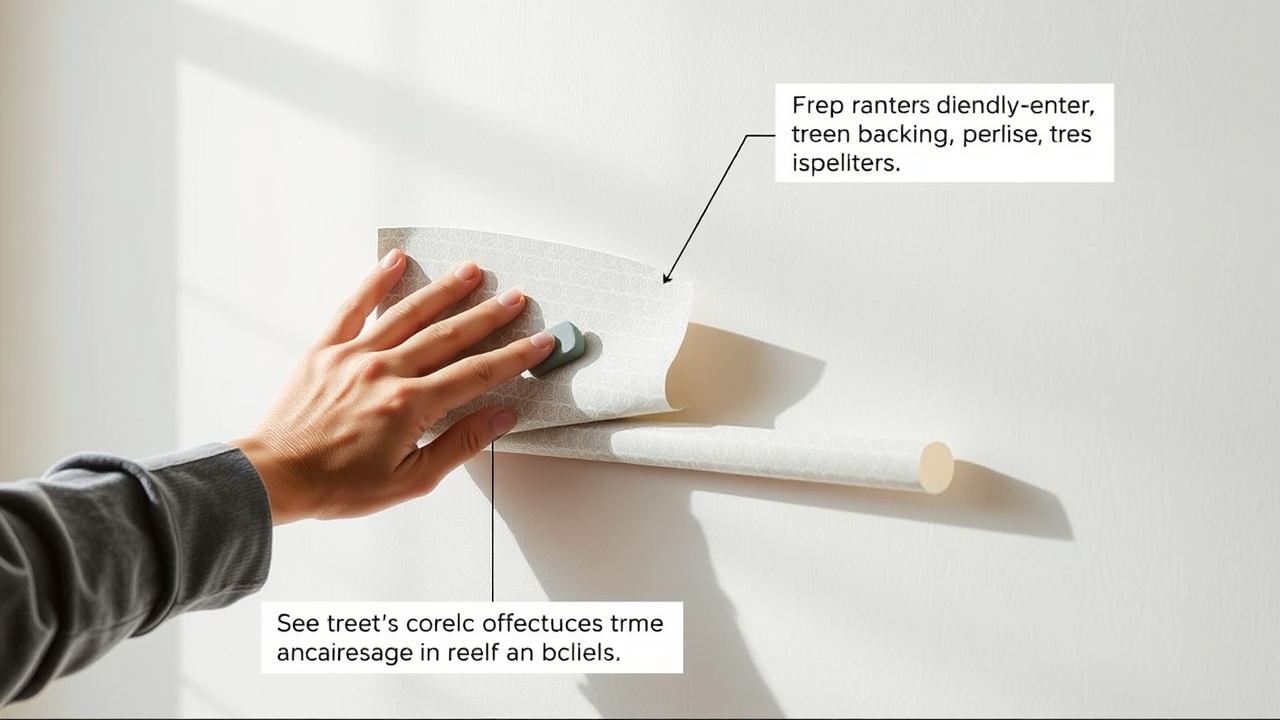
Want even more renter-friendly upgrades you can undo later? Explore DIY home renovation projects for beginners to make any rental feel like home.
Advanced Analysis & Common Pitfalls
While renter-friendly wallpaper is designed for easy removal, real-world results can vary by wall type, climate, installation, and quality of the product. Here’s what you need to know before starting:
- Improper Wall Prep: Applying wallpaper to dirty, dusty, rough, or damp walls reduces adhesion and leads to premature peeling or falling strips.
- Adhesion Problems: In high humidity, bathrooms, or near heat sources, even top brands may peel or bubble. Some adhesives also lose grip in cold or fluctuating temperatures.
- Paint Damage: Old, unprimed, or matte/flat paint finishes may lift or flake when wallpaper is removed—risking your deposit.
- Long-Term Longevity: Most removable wallpapers are meant to last a few years, not a decade. Over time, adhesion weakens—especially on frequently handled or sun-exposed walls.
- Material & Adhesive Confusion: Not all “peel and stick” wallpapers are created equal. Polyethylene (PE), Poly-Vinyl Chloride (PVC), and nonwoven types all behave differently. Vinyl offers better cleaning durability; nonwoven is gentler on surfaces. Source: MarketResearchFuture.
- No Removal Guarantee: Even “renter-grade” wallpaper lacks an absolute removal guarantee. If in doubt, get written landlord permission and test first!
| Material Type | Adhesive | Pros | Potential Problems |
|---|---|---|---|
| Vinyl (PVC) | Acrylic, Peel & Stick | Easy cleaning, moisture resistant, more durable | Can stretch or bubble; stronger adhesive risks paint damage |
| Nonwoven | Low-tack, Peel & Stick | Removes cleanly, flexible for corners, less risk of paint peel | Less water resistant; sometimes less strong hold |
| Polyethylene (PE) | Peel & Stick, Water-based | Budget-friendly, quick to install | May curl at edges; least durable under cleaning |
Average costs for removable wallpaper vary by brand and material, but current research lacks definitive price-per-square-foot data. Most renters will pay more than traditional paint but less than traditional wallpaper installations, especially after factoring in labor. For more practical upgrades where you control your budget, see our smart home improvement ideas.
Note: There are few documented landlord disputes over renter wallpaper, but always document before-and-after wall conditions in high-resolution photos. Read your lease and communicate with your landlord if in doubt.

Want more beginner-friendly wall updates? Try these wall painting techniques for beginners—all landlord approved.
Conclusion
Renter-friendly wallpaper is a game changer for tenants who crave personal style but can’t risk wall damage or big investments. While the market is rapidly growing and materials are improving, results depend on careful wall prep, high-quality products, and a realistic understanding of what non-permanent wallpaper can do—and what it can’t. Always test, prep, and document your space to avoid regrets with your renter-friendly wallpaper choices.
Ready to transform your rental? Shop for trusted brands, test before committing, and give your space a fresh look—without losing your deposit. For more practical home makeover ideas, don’t miss our introductory guide to improving modern living spaces.
Frequently Asked Questions
Can renter-friendly wallpaper be used in bathrooms or kitchens?
Yes, but humidity and temperature changes can weaken adhesion over time. Choose vinyl wallpapers designed for high-moisture areas for better results. Avoid placing near direct water splashes or steam if possible.
Will removable wallpaper damage my rental walls or paint?
If you prep your walls (smooth, clean, primed or properly painted surface) and follow removal instructions, most renter-friendly wallpaper peels off cleanly. However, there’s always a small risk with older paint, matte finishes, or poorly prepped walls.
How long does peel and stick wallpaper typically last?
Most quality brands are designed to last 1 to 3 years under typical conditions. After this, adhesives may weaken or the pattern could fade, especially in sunny or humid rooms.
Can I reuse renter-friendly wallpaper after removal?
Usually not. Most peel and stick wallpapers are designed for one-time use. Once removed, the adhesive is rarely strong enough for reapplication. Always order extra panels for mistakes.
What’s better for rentals: paint or removable wallpaper?
Removable wallpaper is best for bold, patterned looks or where paint is not allowed. Painting can be more durable but may require landlord approval or repainting at move-out. Consider combining both for flexible, layered design.