
### Blog Post:
Dish drying mat choices can make or break your kitchen routine, especially if you’re tired of bulky racks and constant countertop puddles. Whether you want a sleek option for small spaces or you’re debating between microfiber and silicone, understanding what works — and what doesn’t — can save you both time and frustration.
Key Takeaways
- Most online guides overlook critical issues like material performance, real-world absorbency, and hygiene for dish drying mats.
- There is little published data on absorbency or speed of drying, but choosing carefully can reduce odor and surface stains.
- Microfiber and silicone mats each have unique trade-offs; knowing their strengths helps you avoid hidden pitfalls in daily use.
- How Dish Drying Mats Redefine Kitchen Counter Space
- How to Use and Maintain a Dish Drying Mat: Step-by-Step Guide
- What the Research Misses: Advanced Analysis & Common Pitfalls
- Conclusion: Is a Dish Drying Mat Right for You?
- FAQ: Dish Drying Mats and Everyday Use
How Dish Drying Mats Redefine Kitchen Counter Space
A dish drying mat is a flexible, absorbent surface placed near the sink to catch drips and air-dry dishes, utensils, and cookware. Unlike drying racks, which are rigid and take up more room, mats offer a compact, clutter-free option. They are ideal for small kitchens and situations where you want to clear your counter quickly after use. Popular materials include microfiber, prized for absorbency, and silicone mats for heat and water resistance.
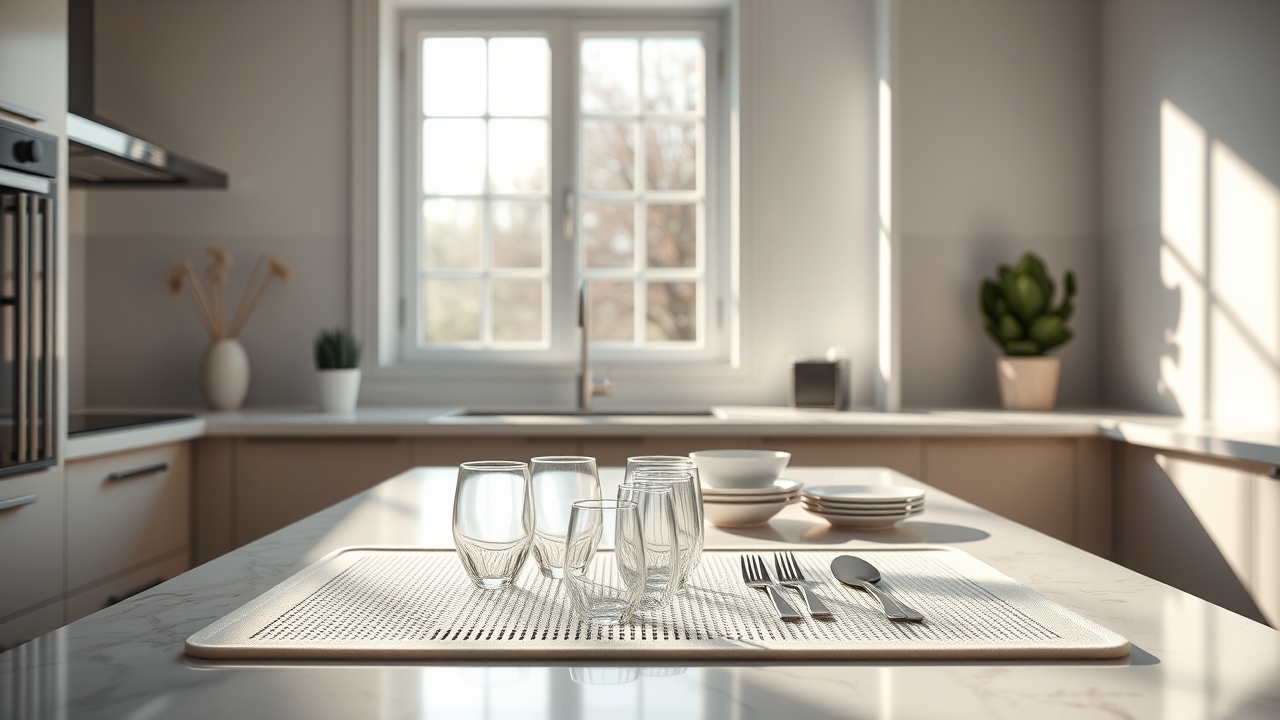
Many homeowners choose mats because they can be rolled up and stored away instantly, unlike racks that require more permanent counter space or drying time. When paired with practical home improvement ideas, such clutter-free solutions support a modern and organized kitchen.
How to Use and Maintain a Dish Drying Mat: Step-by-Step Guide
- Unfold and Position: Place the mat flat beside your sink on a dry, clean counter surface. Avoid folded or bunched-up areas—flat placement helps prevent pockets of moisture where mold can develop.
- Dish Placement: Put washed dishes, glasses, and pans directly on the mat, spacing them so air can circulate. Heavier items like pots should not sit for hours, since they can trap moisture underneath.
- Regular Drying: After use, hang the mat or drape it over your sink edge so both sides air-dry. Never leave it wadded up, especially if made from moisture-loving microfiber.
- Routine Cleaning: Launder microfiber mats at least weekly and wipe silicone mats with hot, soapy water. Skipping this step can cause odors that even the best mats can’t hide.
- Storage: Once fully dry, roll or fold your mat and store it away to keep your counters clear. This is the fastest route to a clutter-free and hygienic kitchen workspace.
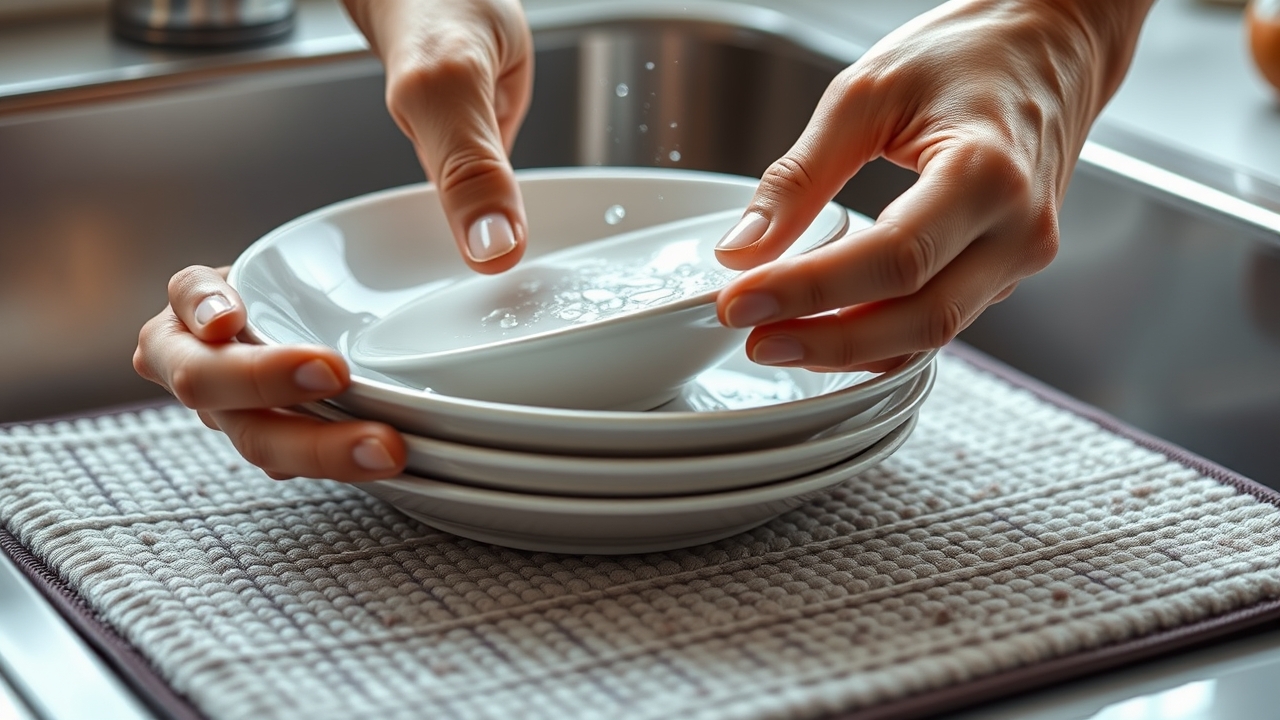
If your focus is on a seamless, functional kitchen, see these smart home improvement ideas for value-boosting upgrades. Pairing simple storage with the right drying mat makes your cleanup routine stress-free.
What the Research Misses: Advanced Analysis & Common Pitfalls
There is little reliable published data about the absorbency, drying speed, or long-term durability of different dish drying mat materials. Most market research focuses on racks, not mats. Here’s what realistic use—and hundreds of user comments—suggest you should know before buying:
| Material | Absorbency | Drying Speed | Odor/Mold Risk | Best For | Downsides |
|---|---|---|---|---|---|
| Microfiber | High | Moderate to Slow | Higher (if not dried out quickly) | Glassware, quick soaks | Prone to odor & staining; delicate edges can fray after washing; needs frequent cleaning |
| Silicone | Low | Very Fast | Low (easy to wipe) | Hot pans, baking trays | Water can pool on surface; less absorbent for large loads; can slide if not textured underneath |
| Hybrid (Microfiber top, foam fill) | Very High | Slow | High (thicker layers dry slower) | Heavy dish loads, oversized items | Biggest risk of mold if left damp; harder to fit in washing machine |
- Minimal lab data: There are no independent absorbency rates (grams of water per gram of material) published for common mat materials. Most claims are anecdotal or based on manufacturer marketing.
- Unanswered user concerns: Because so many reviews lump mats and racks together, complaints like countertop staining, odors, and product breakdown don’t get the focused advice they need.
- Material differences matter: Market reports highlight material importance for racks but are almost silent on mats. For kitchen safety, silicone mats dries fastest and is more hygienic, but microfiber absorbs better (while risking unseen dampness beneath plates).
- Health and safety: No recent mold or antimicrobial scandals have been reported in dish mats as of 2024. Still, users report musty smells if mats remain damp — supporting the need for frequent cleaning and complete drying between uses.
For kitchens where every inch matters, pairing your dish mat with compact dishwashers or non-slip mats for wet zones delivers both safety and convenience. Explore furniture tips for small apartments to further streamline your modern kitchen.
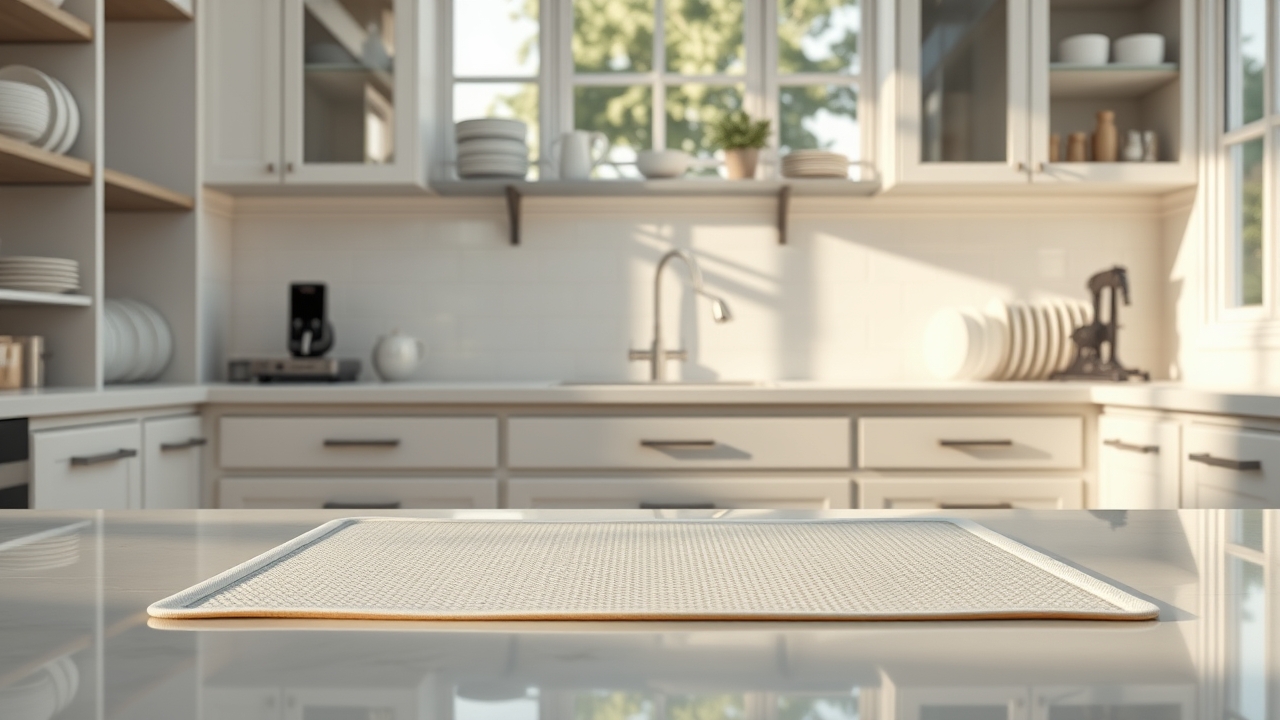
Deciding which mat to buy? Evaluate your usual cleaning routine and what materials you use most — pots, glassware, or large sheets — and balance absorbency with your ability to clean and dry the mat often.
Conclusion: Is a Dish Drying Mat Right for You?
If your kitchen is low on space or you crave an uncluttered countertop, a dish drying mat is an easy win. Microfiber mats excel at soaking up water but demand regular cleaning to avoid odors, while silicone mats keep things tidy and dry out fast but don’t absorb as much. There’s limited independent data on absorbency and drying rates — but with the right maintenance, any dish drying mat can make cleanup easier. Try adding one to your kitchen routine today to see the difference for yourself.
Ready to simplify your kitchen? Review your mat choice, follow routine care, and share your feedback to help future buyers make smarter choices.
FAQ: Dish Drying Mats and Everyday Use
How do I keep my dish drying mat from smelling musty?
Dry it thoroughly after every use, launder microfiber mats at least once a week, and avoid stacking heavy, wet items that slow drying underneath.
Can I use a dish drying mat for pots and pans straight from the stove?
Only silicone mats should handle hot cookware. Microfiber and foam mats can scorch or melt if exposed to high heat.
Are dish drying mats safe for all countertop surfaces?
Most are, but prolonged dampness on wood or porous countertops risks staining. Always dry the counter after use and check for trapped moisture.
How do I wash my dish drying mat for best results?
Launder microfiber mats in warm water without fabric softener, and air dry. Clean silicone mats with soapy water or in the dishwasher if safe.
What size dish drying mat should I choose?
If your sink area is tight, a small or standard mat (about 16×18 inches) fits best. For more dishes or bigger pans, opt for an oversized mat (up to 24×18 inches).