How to set up a smart home system step by step
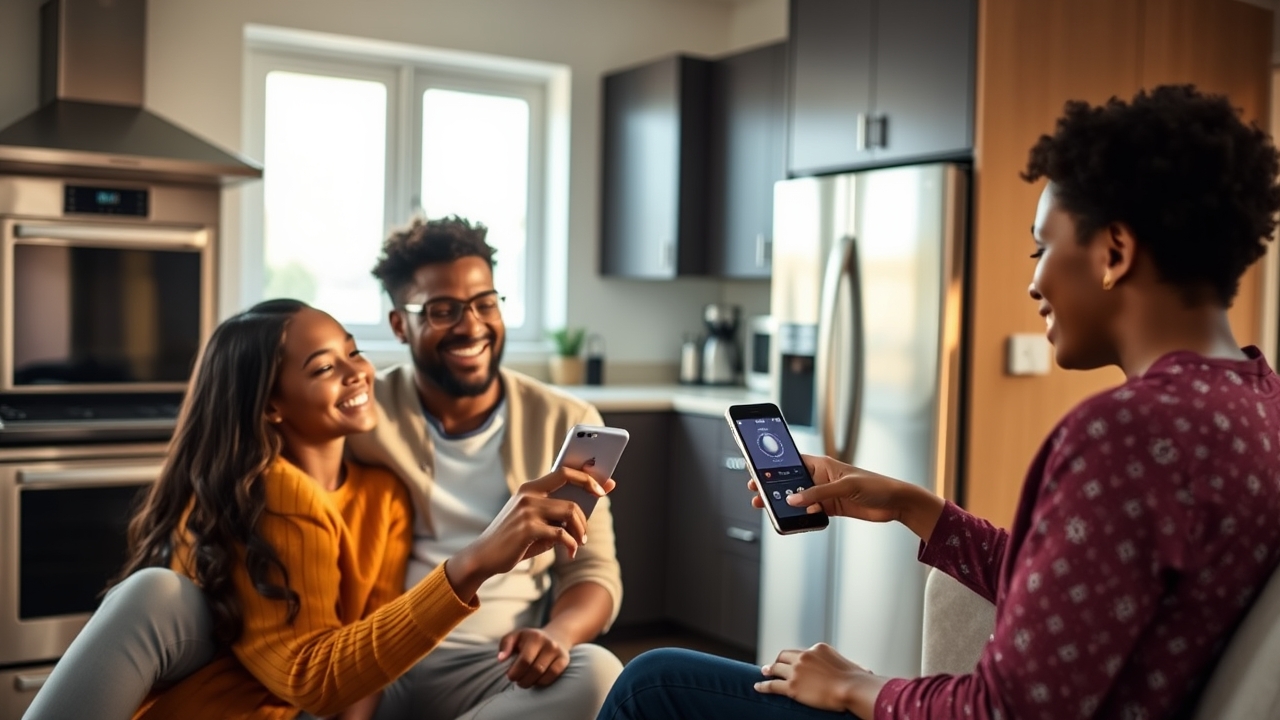
Smart home setup is a major trend with millions of households adding automation, voice control, and security devices every year. Today, smart technology goes far beyond buzzwords. Setting up a smart home delivers more comfort and energy savings but can also introduce new complexities and risks if you are not prepared.
Homeowners want connected homes for safety, ease, and efficiency. But the path from basic automation to a fully integrated smart doorbell setup can be confusing. This guide clarifies what a smart home is, current market data, real-world barriers, and what you actually need for a beginner-friendly setup. If you are looking for practical product advice too, read our guide to the best smart home devices for 2026.
Key takeaways
- The global smart home market is expected to exceed $230 billion by 2028, with North America leading adoption.
- Doorbells, cameras, speakers, thermostats, and lights are the most common devices people include in their first smart speaker or assistant setup.
- Most users are concerned about data privacy and security, and initial installation costs for a typical home are around $1,173 in the United States.
- What is a smart home setup and why does it matter?
- Latest market statistics and adoption trends in 2024 to 2026
- Common challenges and pitfalls in DIY smart home setup
- Installation costs and investment for a complete system
- Smart home product categories to consider
- Conclusion
- FAQ
What is a smart home setup and why does it matter?
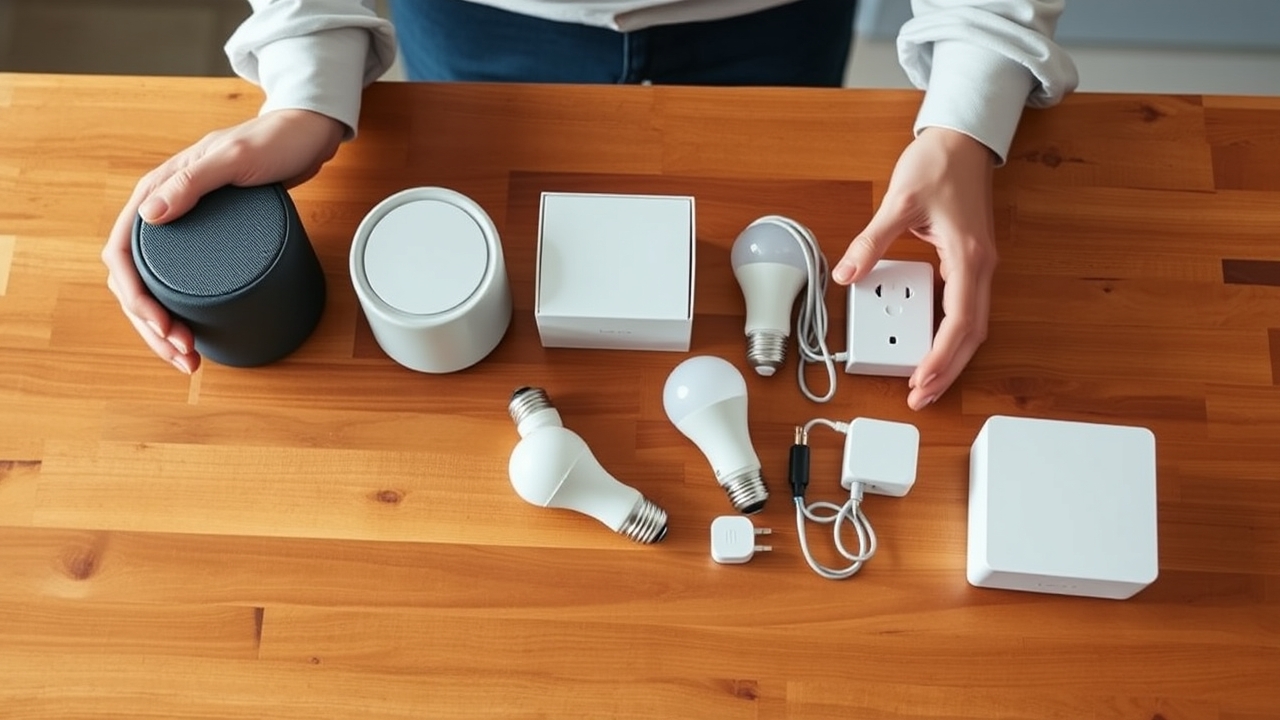
A smart thermostats setup means connecting and automating devices across your home for easier control, security, energy management, or entertainment. Typical smart home systems work using wireless protocols like Wi-Fi, Zigbee, or Z-Wave, often managed by a central hub or set of apps. Devices range from smart lighting and thermostats to speakers, locks, security cameras, and plugs. The goal is convenience, but benefits may include better comfort, energy savings, and peace of mind from improved security.
There are two primary types of smart home setups: DIY systems that homeowners install and configure themselves, and professional platforms that require expert installation. Most new users start with off-the-shelf products they can set up alone, often focusing first on security, lights, or voice assistants before expanding their setups. Learn more about automation options in our technology guide to top smart home upgrades.
Latest market statistics and adoption trends in 2024 to 2026
Global growth and market size
The global smart home market was valued at $154.4 billion in 2024 and is on track to grow at an annual rate of over 10 percent, reaching $231.6 billion by 2028. Analysts suggest even faster growth under optimistic scenarios, with total value possibly topping $1.4 trillion by 2034. Demand is driven by energy-conscious homeowners, the falling costs of devices, and the continued innovation around security and entertainment features (ElectroIQ statistics).
User base and most popular devices
Global smart home users stood at 494 million in 2025, with projections of 576 million in 2026 and over 785 million by 2028. Typical American homes own at least one smart device—speakers, video doorbells, and security cameras are the most common. The top five products in US households are:
- Smart speaker or assistant (73 percent)
- Smart doorbell (50 percent)
- Security cameras (50 percent)
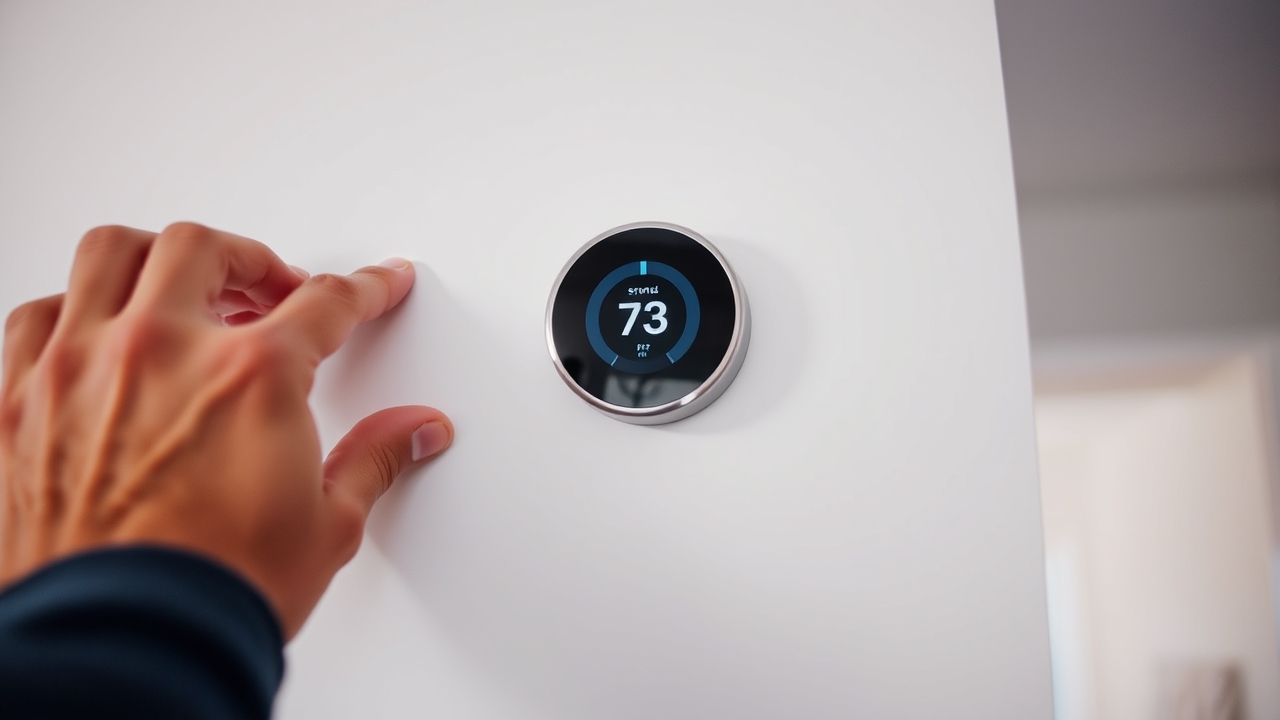
- Thermostat (43 percent)
- Smart lighting (34 percent)
If you want to compare device types and decide what to prioritize, see our comparison of smart lighting versus smart plugs.
Regional data and household penetration
North America leads the global smart home market with a 40 percent share, followed by Asia Pacific at 31 percent. China has reached over 90 percent smart device ownership among households. In the US, household smart device penetration is projected to rise from 28.5 percent in 2024 to 43.3 percent in 2028 (Strategic Market Research).
Common challenges and pitfalls in DIY smart home setup
Technical limitations in search data
There is limited research data on real-world installation barriers, but users often report tangled apps, confusing initial pairing, and device incompatibility as challenges.
Security and privacy worries
Surveys find that 57 percent of Americans worry about privacy of their information in a smart home, while 46 percent fear possible hacking. Make sure to choose brands that update device software and allow control over data permissions.
| Option | Best for | Rating | Key feature |
|---|---|---|---|
| Voice assistant hub | Hands-free control | 4.6/5 | Voice automation integration |
| DIY smart kits | Low budget starters | 4.3/5 | Easy self-install |
| Professional systems | Larger homes/complex needs | 4.8/5 | Custom install |
Making the right product choices
Choosing incompatible products can be an expensive mistake. Before you start, check which systems your most-wanted devices require. Beginners will often get better results by focusing on easy upgrades like thermostats or starter kits first. For details on thermostats, visit our smart thermostat comparison.
Installation costs and investment for a complete system
What does it cost to set up a smart home?
The average American spends around $1,173 to convert a home to smart devices. Globally, the average revenue per smart home is nearly $366, and closer to $480 in the United States. In Asia, the average setup is more affordable at $284 per household (AHS smart home survey).
What affects pricing?
- Starter kits and voice hubs are most affordable.
- Expandable systems and integrated security cameras can raise costs.
- Professional installation is rarely needed but increases the investment.
If you need a detailed comparison by device category (lighting, plugs, doorbells), check our updated devices for 2026 guide.
Not all upgrades increase resale value
While some smart home features attract buyers, others have no impact. Smart thermostats, locks, and cameras offer the highest return for both daily use and future home sales. For cost/benefit analysis see our energy savings breakdown.
Smart home product categories to consider
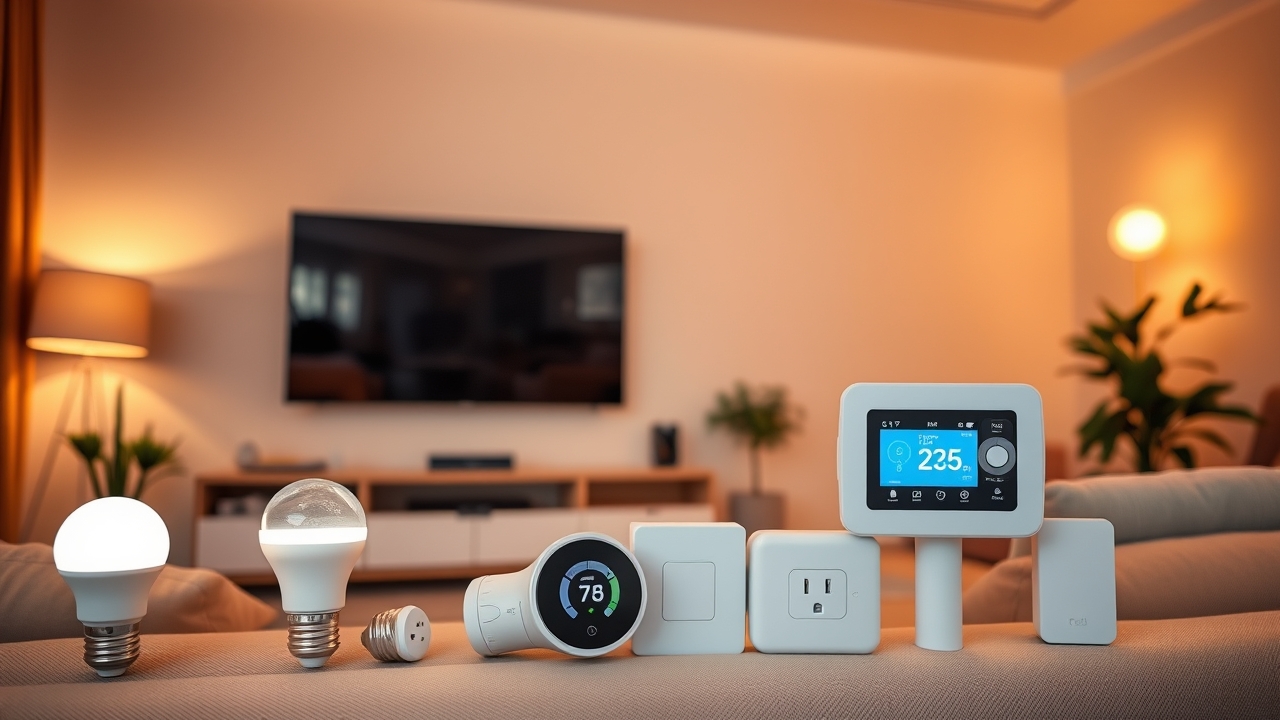
When planning your smart home setup, consider these main product groups:
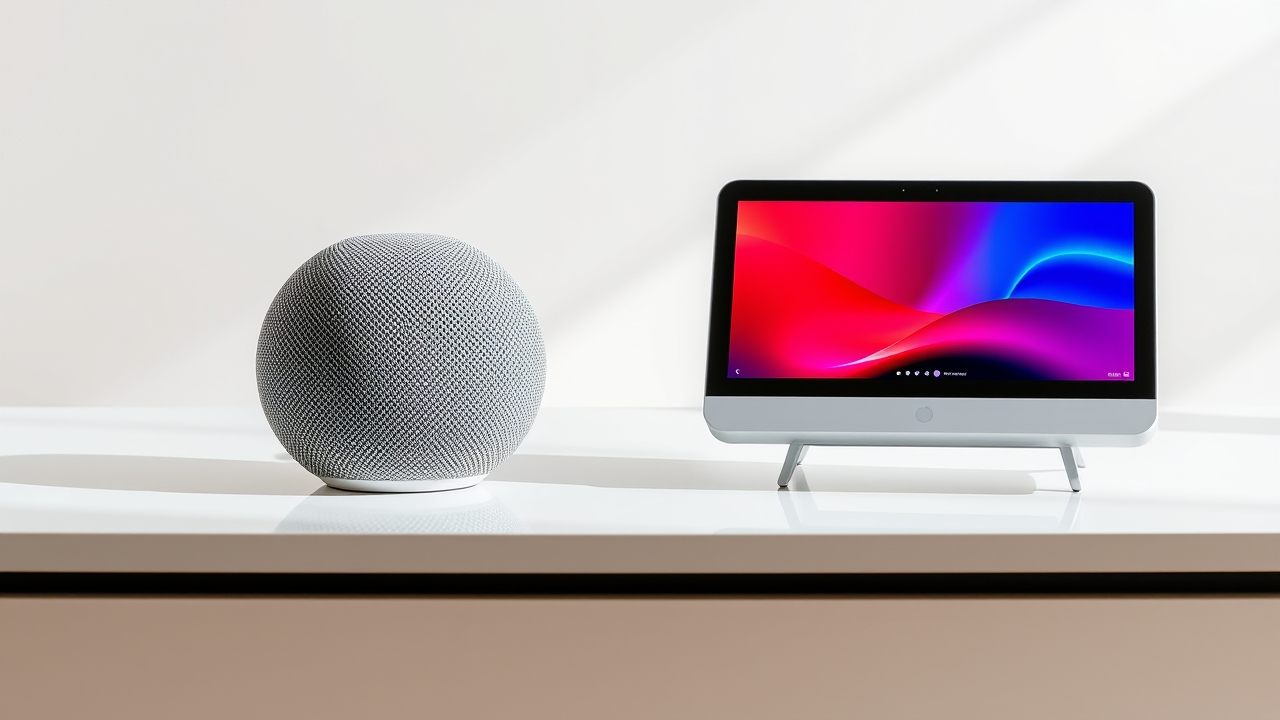
- Smart speakers and displays: Control devices, play music, or get information hands-free. Check our guide to affordable smart hubs.
- Cameras and security systems: Add surveillance and alert features. See our best camera picks for 2026.
- Thermostats and energy management: Control your heating and cooling remotely. Find options for old homes or no C-wire.
- Video doorbells: See and talk to visitors from anywhere. Check our recommendation for budget doorbells.
- Smart lighting: Schedule, automate, and set the mood with remote lights. Compare lighting and plugs for your first upgrade.
Conclusion
Smart home setup is quickly becoming the new normal around the world, with more homes adding automation, security, and connected convenience. The costs are falling, but so are the technical barriers for beginners willing to start small. If you want to see specific step-by-step guidance, pitfalls, and tips for beginners, explore our in-depth step-by-step tutorial for setting up your first smart home.
As you plan your own setup, always focus on compatibility and privacy. A solid smart home will reward you with years of efficient, comfortable living—just take it one step at a time.
FAQ
What is the average cost to set up a smart home system?
Americans typically spend around $1,173 on their first smart home system. This covers common categories like speakers, thermostats, lighting, and security cameras. Costs vary based on the number and type of devices chosen.
Which smart devices are most popular for beginners?
The most popular starter devices are smart speakers, doorbells, cameras, thermostats, and lighting products. These offer quick setup and immediate benefits.
Do all smart devices work together?
No. Not all smart devices are compatible due to different platforms and standards. It is best to choose devices that support the same ecosystem or make sure your chosen hub can bridge multiple brands.
Are smart home systems safe from hacking?
Most systems are secure if updated regularly and installed with care, but risks do exist. Around 46 percent of Americans still worry about hacking. Use strong passwords, update firmware, and monitor device permissions for greater safety.
Can a smart home save on energy bills?
Yes, especially when using smart thermostats and efficient lighting. Some homeowners save 10-15 percent on heating and cooling costs. Find detailed savings and scenario comparisons in our energy savings guide.