
LVP flooring is quickly becoming the smartest, most practical choice for busy homes in 2024. Whether you have kids, pets, or want worry-free style, Luxury Vinyl Plank offers a unique mix of toughness, water resistance, and DIY friendliness that sets it apart from laminate or hardwood.
Key Takeaways
- LVP flooring with 20+ mil wear layers and rigid cores is a top performer for durability and moisture resistance.
- Brands like COREtec, Mohawk, and Liberty Home stand out for pet-friendly features and easy installation.
- Avoid common pitfalls by preparing your subfloor and using manufacturer-recommended cleaning products.
- What Makes LVP Flooring Different?
- How to Choose and Install LVP Flooring: A 2024 Guide
- Advanced Analysis & Common Pitfalls with LVP Flooring
- Conclusion: Is LVP Flooring Right for You?
- Frequently Asked Questions
What Makes LVP Flooring Different?
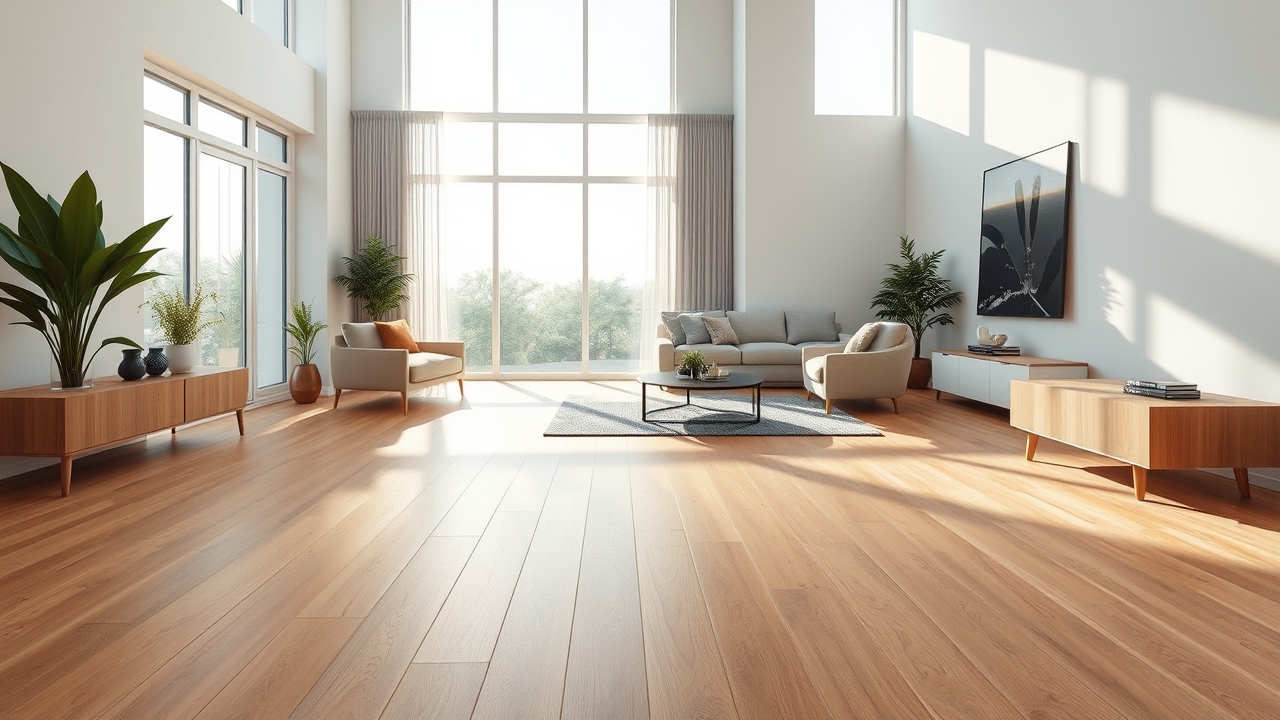
Luxury Vinyl Plank, or LVP flooring, is built for longevity and hassle-free living. Unlike laminate, which swells with water, or hardwood, which scratches and needs refinishing, modern LVP uses a multiple-layer system that’s highly resistant to moisture, dents, and everyday scuffs.
Premium LVP brands now offer wear layers up to 30 mil thick, and planks up to 8mm thick overall. This means better performance in high-traffic areas, improved comfort underfoot, and greater stability in rooms like basements, kitchens, and entryways.
LVP is also DIY-friendly. Click-lock systems, especially those from brands like COREtec and Mohawk, make installation possible for homeowners with basic tools. No glue, nails, or refinishing needed—just snap the planks together over most subfloor types.
Critically, LVP is more water-resistant than hardwood and more durable than laminate, making it a top pick for families, pet owners, and rental properties. For more design strategies that enhance modern living spaces, visit our Home Improvement Guide for Modern Living Spaces.
How to Choose and Install LVP Flooring: A 2024 Guide
1. Decide on Wear Layer Thickness
Select an LVP flooring product with at least a 12-mil wear layer for basic residential use. For active homes with pets, kids, or heavy traffic, opt for 20-mil or even premium 30-mil options. This gives you longer-lasting resistance to scratches and dents.
2. Compare Top Brands for Your Needs
Focus on brands like Mohawk (SolidTech), COREtec, Liberty Home, Shaw (Floorte Pro), and PROLUXE. These brands consistently rank high for pet-friendly performance, moisture resistance, and product warranties. For more in-depth brand reviews, check out this external guide on the best LVP flooring brands.
3. Prepare Your Subfloor
Start with a clean, dry, and level surface. Remove old carpet, tack strips, and debris. High spots should be sanded; low spots filled. Skipping this prep leads to visible seams and floating floor instability.
4. Gather the Right Tools
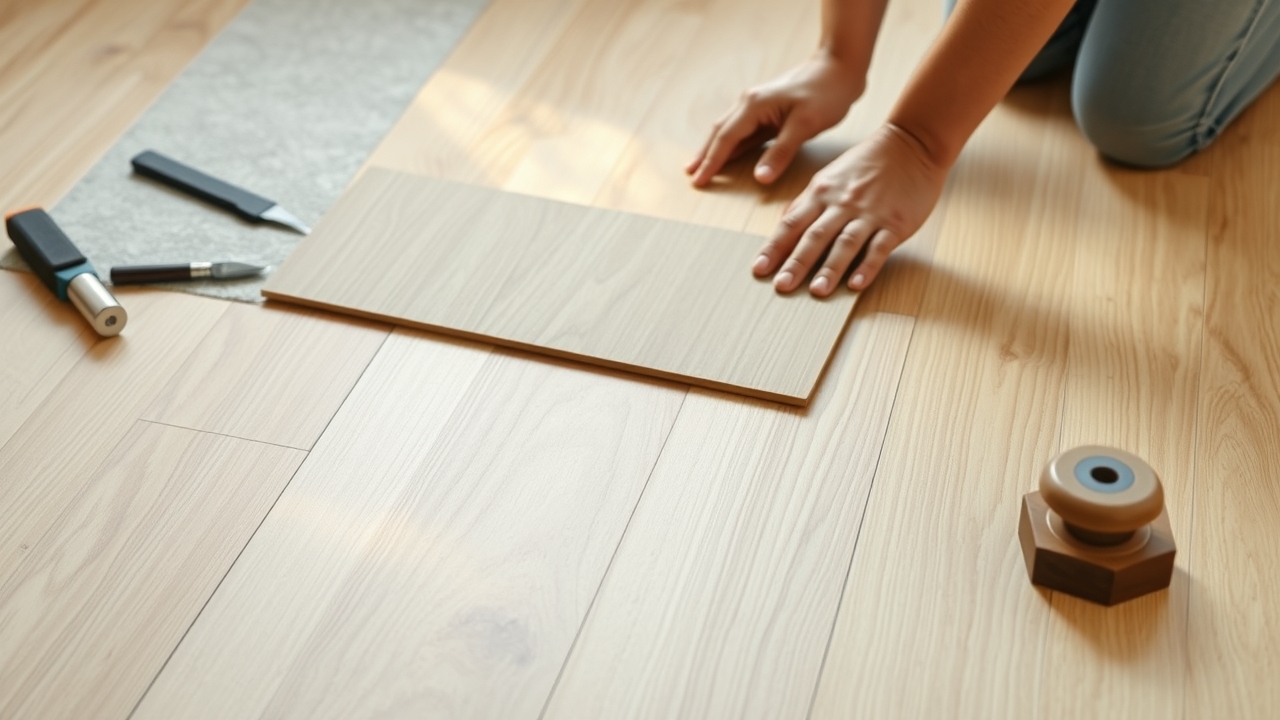
Before installation, make sure you have a rubber mallet, straight edge, utility knife, tape measure, and spacers for expansion gaps. Need help building your toolkit? Our Beginner Tools Every DIY Homeowner Needs guide covers everything essential.
5. Start Installing: Click-Lock System Best Practices
Lay your first row along the longest straight wall, using spacers to maintain a 1/4-inch perimeter gap. Stagger seams by at least 6 inches from row to row for a stronger, more attractive finish. Tap planks gently with the mallet—never force them. If planks don’t click, confirm the groove is clean and the subfloor is even.
6. Handling Tricky Cuts
For complex angles or around door jambs, score and snap the planks with a sharp utility knife. For curved or detailed cuts, a jigsaw works well. Always test fit before final installation for best results.
7. Cleanup and Maintenance
Vacuum thoroughly, then mop with a manufacturer-approved cleaner. Avoid wax-based or harsh chemical products, which can dull the finish. For long-term maintenance protocol and safe cleaning chemicals, review your product’s manual or our forthcoming Maintenance Tips for Long-Lasting Furniture guide.
For even more renovation ideas, don’t miss our handy list of DIY Home Renovation Projects Anyone Can Try for all skill levels.
Advanced Analysis & Common Pitfalls with LVP Flooring
Comparing LVP, Laminate & Hardwood in 2024
| Feature | LVP Flooring | Laminate Flooring | Hardwood Flooring |
|---|---|---|---|
| Wear Layer Thickness | 12-30 mil (Residential/Commercial) | 6-12 mil | N/A (Finish dependent) |
| Waterproof Ability | Fully waterproof (Most products) | Not waterproof, can swell | Not waterproof without coatings |
| Dent/Scratch Resistance | High (esp. 20+ mil wear layer) | Medium, scratches easily | Medium-Low, scratches/dents from pets & furniture |
| DIY Installation | Easy (click lock systems) | Moderate | Difficult, requires pro tools |
| Best-For | Pets, Kids, Basements, Kitchens | Bedrooms, Light-use areas | Living rooms, Home value |
Common Pitfalls and Mistakes
- Skipping subfloor prep: Leads to uneven seams, popping, and even damaged click-lock edges over time.
- Using the wrong cleaning products: Wax or oil-based cleaners may void your warranty and can cause peeling or dullness.
- Not staggering the planks: Shortens lifespan and looks artificial.
- Poor acclimation: LVP that isn’t allowed to acclimate can show gaps or buckle in changing temperatures or humidity.
- Confusing “water-resistant” vs. “waterproof”: Always check product ratings and be wary of marketing; premium LVP is truly waterproof, but lower-end products may only resist splashes.
For deeper insight on brand durability and user experiences, this 2024 LVP brand review is well worth your time.
If you’re curious how your choices affect resale value and ROI, see our Smart Home Improvement Ideas That Increase Property Value.
Conclusion: Is LVP Flooring Right for You?
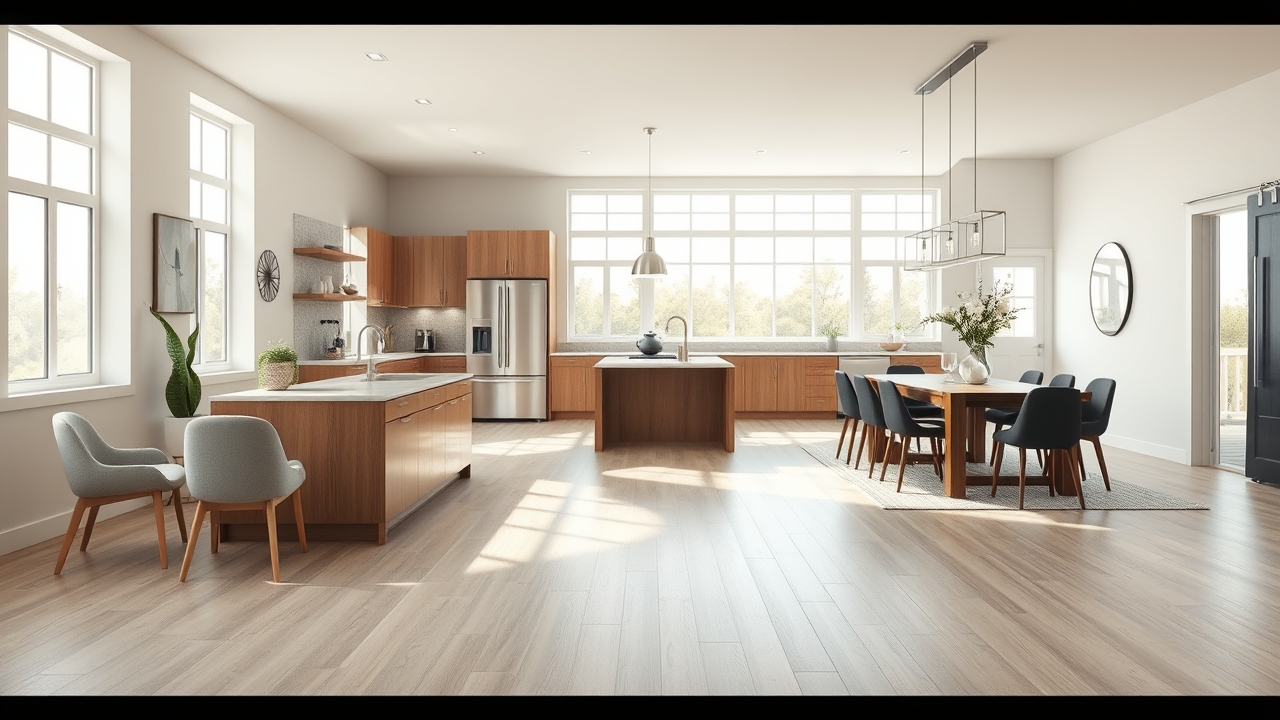
LVP flooring has become the leading choice for homeowners wanting water resistance, durability, and a modern look without the cost and fuss of hardwood. It’s easy to install, tough on everyday challenges, and outperforms laminate for pets and kids. If you want a practical, stylish upgrade that holds up over time, LVP flooring is a smart, future-ready investment.
Ready to transform your space? Compare brands, prep your project, and check out more home improvement ideas for modern living. Success starts with the right surface under your feet!
Frequently Asked Questions
What thickness of LVP flooring wear layer is best for homes with pets?
Look for an LVP wear layer of at least 20 mil if you have pets. This thickness offers strong scratch and dent resistance for claws and active play.
Can I install LVP flooring in basements and bathrooms?
Yes. LVP with a rigid waterproof core and sealed surface is ideal for basements, bathrooms, laundry rooms, and kitchens—even high-humidity spots. Just ensure your subfloor is dry before laying planks.
Are there any real user complaints about waterproof claims or DIY installation?
Most premium LVP brands deliver on waterproof promises and DIY installation. Issues usually arise from cheap, off-brand planks, rushing subfloor prep, or skipping acclimation time.
What’s the main difference between budget and premium LVP?
Premium LVP has thicker wear layers (20-30 mil), more rigid and waterproof cores, and better warranties. Budget options often have thinner surfaces, lower dent resistance, and less reliable moisture performance over time.
What cleaning products are safe for LVP flooring?
Use pH-neutral floor cleaners recommended by your LVP manufacturer. Avoid wax, harsh chemicals, and steam mops to protect your wear layer and warranty.